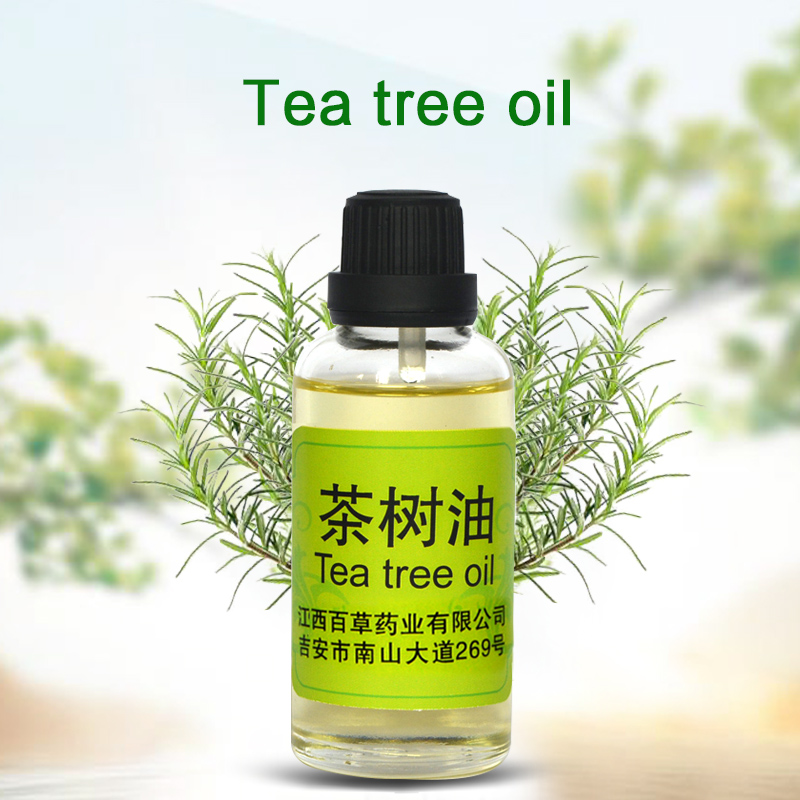
Tea tree oil contains active ingredients called terpenoids, which have antibacterial and antifungal effects. The compound terpinen-4-ol is the most abundant and is thought to be responsible for most of tea tree oil’s activity.Research on the use of tea tree oil is still limited, and its efficacy is unclear. Some evidence suggests that tea tree oil may help conditions like blepharitis, acne, and vaginitis.
Tea tree oil contains active ingredients called terpenoids, which have antibacterial and antifungal effects.The compound terpinen-4-ol is the most abundant and is thought to be responsible for most of tea tree oil’s activity.Research on the use of tea tree oil is still limited, and its efficacy is unclear. Some evidence suggests that tea tree oil may help conditions like blepharitis, acne, and vaginitis.
Acne
While tea tree oil is a popular ingredient in over-the-counter acne remedies, there’s only limited evidence that it works.
A review of six studies of tea tree oil used for acne concluded that it decreased the number of lesions in people with mild to moderate acne. It was also about as effective as traditional treatments like 5% benzoyl peroxide and 2% erythromycin.
More randomized controlled trials are needed to determine tea tree oil’s effect on acne.
Vaginitis
Research suggests that tea tree oil is effective in reducing symptoms of vaginal infections like vaginal discharge, pain, and itching.
In one study involving 210 patients with vaginitis, 200 milligrams (mg) of tea tree oil was given as a vaginal suppository each night at bedtime for five nights. The tea tree oil was more effective in reducing symptoms than other herbal preparations or probiotics.
Some limitations of this study were the short duration of treatment and the exclusion of women who were taking antibiotics or had chronic illnesses. For now, it’s best to stick with traditional treatments like antibiotics or antifungal creams.
CocoLiu
Jiangxi Baicao Pharmaceutical Co.,Ltd
Post time: Dec-15-2025