Tea tree essential oil, extracted through steam distillation from the fresh leaves of Melaleuca alternifolia, an evergreen shrub endemic to Australia, has earned a solid reputation across the global personal care and aromatherapy sectors thanks to its potent antimicrobial and anti-inflammatory bioactive compounds. Long before modern laboratory studies emerged, Indigenous Australian communities relied on this botanical remedy for generations to soothe cuts, minor abrasions and skin irritations. Today, growing scientific literature continues to corroborate many of its topical advantages, cementing its status as a sought-after natural functional ingredient for skincare formulations. Even so, a key safety reminder cannot be overlooked: tea tree oil is formulated exclusively for external use. It poses clear toxicity risks if consumed orally and must never be ingested under any circumstances.
Its most extensively documented application lies in the management of acne-prone skin. Clinical investigations have demonstrated that topical preparations infused with 5% tea tree oil deliver measurable improvements for mild and moderate acne blemishes. Comparative trials reveal that this natural ingredient can offer similar therapeutic outcomes to 5% benzoyl peroxide, a conventional acne-fighting agent, albeit with a slower onset of visible results. One standout merit for formulators and end-users alike is its gentler profile: it is far less likely to trigger common adverse reactions linked to peroxide treatments, such as excessive skin dryness, tightness and persistent irritation.
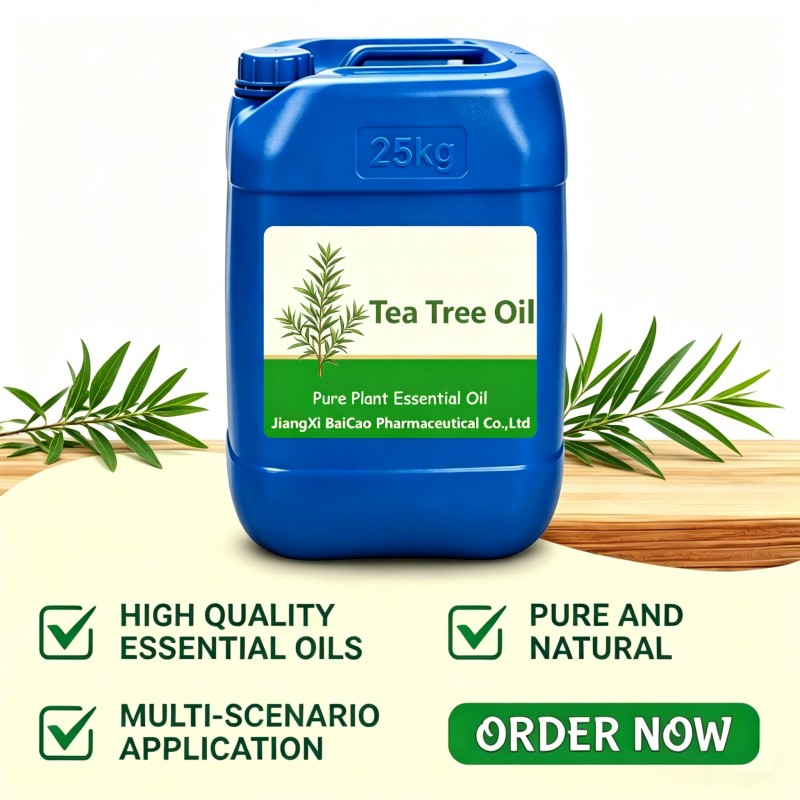
Beyond acne care, tea tree oil shows encouraging potential against superficial fungal infections. For tinea pedis, widely known as athlete’s foot, a topical cream blended with tea tree oil applied twice daily over a four-week cycle can ease hallmark discomforts including persistent itching, flaking and scaling of the foot skin. That said, it generally cannot match the fast-acting efficacy of dedicated synthetic antifungal pharmaceuticals. Dandruff control is another popular use case: shampoos fortified with 5% tea tree oil help regulate scalp discomfort and flaking. One controlled trial recorded a 41% reduction in dandruff-related symptoms following four weeks of consistent application, making it an attractive additive for natural hair care lines.
Even with these positive findings, research supporting its use for other ailments remains inconsistent or inadequate. When used on its own, tea tree oil has not produced uniform, reliable results for toenail fungal infections. Many dermatology resources note it works best as a complementary ingredient paired with mainstream antifungal therapies rather than as a standalone solution. It also exhibits some auxiliary value in head lice management, frequently blended with other botanical essential oils in custom formulations; nevertheless, established standard treatments still carry stronger clinical backing and more predictable performance. There is also limited evidence that tea tree oil rinses may help curb the build-up of dental plaque, though this application comes with a notable downside — many users report an uncomfortable burning sensation inside the oral cavity.
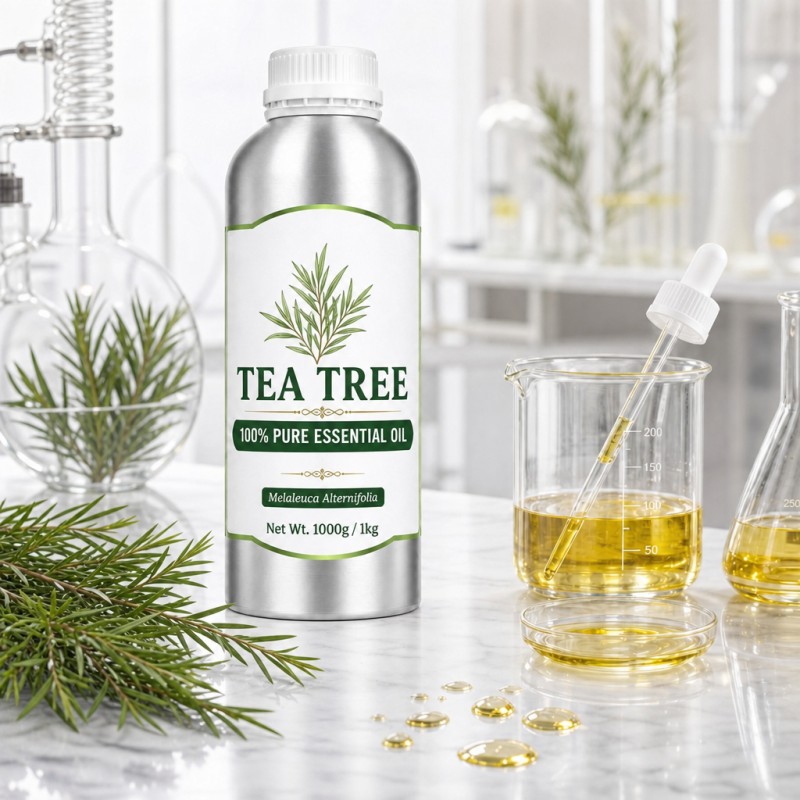
Proper safety protocols are essential for anyone working with or incorporating tea tree oil into finished consumer goods. Direct undiluted contact with skin may trigger redness, itchiness, stinging or allergic contact dermatitis, and people living with eczema or naturally hypersensitive skin face higher susceptibility to these reactions. Standard industry guidance advises dilution to a safe working concentration between 5% and 15% for topical use. A preliminary patch test on a small section of skin is always recommended prior to full-scale application, to screen for individual allergic responses.
The gravest hazard stems from accidental ingestion. Even small internal doses may trigger severe complications such as mental confusion, impaired motor coordination, respiratory distress and, in extreme scenarios, coma. Quality variance between suppliers further reinforces the need for transparency. Buyers and formulators should source tea tree oil from reputable manufacturers that clearly label oil concentration, extraction method and test reports. Clear specification labeling helps product developers achieve the intended functional effects while keeping end-user safety risks well controlled.
Post time: Nov-17-2026