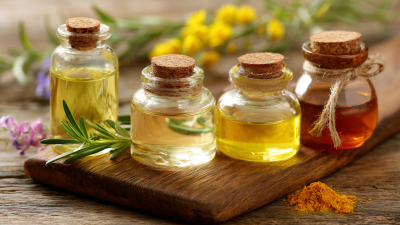
Patchouli essential oil has really caught people's attention in the wellness world because of its lovely aroma and supposed health benefits. Made from the leaves of the Pogostemon cablin plant, it's more than just a pleasant-smelling oil. Many folks use it to help relax and boost their mood, but honestly, not everyone realizes all the different ways it might help.
When you’re thinking about trying patchouli oil, it’s good to keep in mind what makes it special. Many users say it helps them feel more balanced emotionally and can even ease anxiety. That deep, earthy smell? It kind of gives you a sense of comfort and being grounded. Just a heads-up, though—it's important not to overdo it. Too much can become overwhelming, and instead of relaxing, it might just feel a bit too intense.
Getting into patchouli oil is kind of a journey, honestly. Its versatility is both a blessing and a bit of a challenge. You might find it works wonders for your skin, but some people could get irritated. Finding what works best for you is often about trial and error, but trust me, the payoff can be totally worth it. So go ahead—explore the world of patchouli essential oil and see what it can do for your overall well-being. Who knows? You might just discover a new favorite in the process.
Patchouli essential oil is derived from the leaves of the Pogostemon cablin plant. This plant is native to tropical regions of Asia, particularly in Indonesia and the Philippines. The oil has been used in traditional medicine for centuries. Its rich, earthy scent is popular in perfumes and aromatherapy.
According to a report published by Grand View Research, the global essential oils market was valued at $7.03 billion in 2019 and is expected to grow at a compound annual growth rate of 10.2% until 2027. Patchouli oil plays a significant role in this market due to its unique properties. It has antidepressant, antiseptic, and anti-inflammatory effects. Studies show that inhaling patchouli oil can reduce anxiety and stress levels.
However, not all patchouli oils are created equal. The quality can vary greatly. Some may contain additives or be mixed with lower-quality oils. According to the National Association for Holistic Aromatherapy, it’s essential to source oils from reputable suppliers. The methods used for extraction also affect the oil’s potency. Thus, consumers should research and understand where their oil comes from to ensure purity and effectiveness.
Patchouli essential oil is known for its calming effects. Many people praise its ability to reduce stress and anxiety. Inhaling the scent can create a grounding experience. It helps some individuals feel more centered. Just a few drops can transform your mood. You might try adding it to your diffuser during meditation.
Another key benefit is its skin-enhancing properties. Patchouli oil may help with minor skin issues. Some find it soothing for dry skin or minor irritations. However, it’s important to perform a patch test first. Essential oils can sometimes cause reactions. Mixing it with a carrier oil can help ease application.
Lastly, patchouli oil serves as a natural insect repellent. Many find this useful while camping or spending time outdoors. The aroma is pleasant for some but repels certain pests. Experimenting with the oil can lead to interesting discoveries. Each experience with patchouli can be unique. Reflecting on how it affects you personally may enhance its benefits.
When choosing high-quality patchouli essential oil, several factors matter. Look for oil that is 100% pure, without additives. The oil should be derived from Pogostemon cablin, the true patchouli plant. This ensures that you receive all the benefits associated with its rich and earthy aroma.
It’s also important to consider the extraction method. Steam distillation is preferred for high-quality oils. This method preserves the oil's therapeutic properties. According to industry reports, patchouli essential oil should be deep brown. Lighter oils may have been diluted or poorly processed.
Tips: Always check for certification. Look for oils that provide a GC/MS report. This verifies the chemical composition and purity. Take note of the scent. Authentic patchouli has a robust aroma, while low-quality oils may smell weak or synthetic.
When shopping, consider ethical sourcing. Oils should ideally come from environmentally conscious farms. Quality doesn't always mean high price. Sometimes, lesser-known suppliers offer fresher products. Avoid oils with a strong chemical aftertaste. Less is sometimes more when it comes to aroma.
Recognizing quality patchouli essential oil may take time, but it's worth the effort. Educating yourself about plant sources and production practices will help you make informed choices.
Patchouli essential oil is renowned for its earthy scent and potential wellness benefits. When used in aromatherapy, it can promote relaxation and reduce stress. The soothing aroma may also help alleviate anxiety. A study published in the Journal of Alternative and Complementary Medicine found that patchouli oil can lower levels of cortisol, our body’s primary stress hormone.
Tips: Try adding a few drops of patchouli oil to a diffuser along with your favorite carrier oil. The result is a calming environment. Alternatively, mix patchouli oil into a warm bath for an immersive sensory experience. The oil blends well with other essential oils, creating personalized mixes that enhance its benefits.
While patchouli is valued for its aroma, it may not appeal to everyone. Its strong scent can be overwhelming in large quantities. Be mindful of the amount you use in your blends. Diffusion allows for a gentle release of the scent, making it more palatable. Always test new combinations on a small scale before fully committing to a new blend in your space.
Understanding your responses to scents is vital. Some people might find patchouli invigorating, while others may need time to adjust. Keeping an open mind about its effects can lead to surprising outcomes.
Patchouli essential oil is a versatile addition to your skincare routine. Its earthy scent can uplift your mood while providing various benefits for skin health. Using it wisely can transform your regimen.
When applying patchouli oil, always dilute it with a carrier oil. This prevents skin irritation. A good ratio is about 2-3 drops of patchouli per tablespoon of carrier oil. Test a small patch first. You might find your skin reacts differently than expected.
Mix patchouli oil into your moisturizer for enhanced hydration. It can promote a soothing effect, especially for dry or irritated skin. However, don’t overdo it. Too much can overwhelm your skin, leading to unexpected breakouts. Don’t forget to check the oil's origin before use. Natural sources can be more effective.
Using patchouli oil in a DIY face mask can also be beneficial. Blend it with items like honey or yogurt for added nourishment. Just remember, skin types vary. What works for one person may not work for another. Listening to your skin is key.
Patchouli essential oil is widely praised for its wellness properties. However, safety precautions are critical when using it. Always conduct a patch test before applying it to your skin. A small drop on your wrist can reveal any allergic reactions. If irritation appears, wash the area with soap and water immediately.
Dilution is essential. Use a carrier oil to dilute patchouli oil before applying it. A proper ratio is one drop of patchouli to about five drops of carrier oil, such as coconut or jojoba. This helps minimize potential skin irritation. Avoid contact with sensitive areas, such as your eyes or broken skin.
Consider your personal health conditions as well. Pregnant or breastfeeding women should consult a healthcare provider before using patchouli oil. Aromatherapy is beneficial, but safety should always come first.
Tips: Store patchouli oil in a cool, dark place. This ensures its potency is maintained. Also, keep it out of reach of children to avoid accidental ingestion. Use cautiously and enjoy its benefits wisely.
Patchouli essential oil offers numerous wellness benefits, making it a popular choice for DIY recipes. This oil has a rich, earthy scent that promotes relaxation. You can easily incorporate it into your daily routine.
One delightful recipe is a patchouli-infused bath salt. Combine one cup of Epsom salt with five drops of patchouli oil and mix thoroughly. Add this mixture to your bath water for a soothing soak. It helps to relieve stress and rejuvenate your senses.
Tips: Always do a patch test to avoid skin irritation. Start with a small amount of oil. Adjust according to your preference.
Another idea is a simple patchouli room spray. Mix one cup of distilled water, a teaspoon of witch hazel, and ten drops of patchouli oil in a spray bottle. Shake well before using. This spray freshens up any space while providing calming effects.
Tips: Avoid spraying directly on fabrics. It may stain if not properly diluted. Keep the mixture out of direct sunlight.
| Recipe Name | Ingredients | Benefits | Usage Instructions |
|---|---|---|---|
| Patchouli Relaxing Oil | 10 drops Patchouli Oil, 2 tablespoons Carrier Oil (e.g., Jojoba) | Reduces stress, promotes relaxation | Mix oils and apply to pulse points for calming effects. |
| Patchouli Skin Soother | 5 drops Patchouli Oil, 3 tablespoons Almond Oil, 1 teaspoon Vitamin E | Soothes irritation, hydrates skin | Blend ingredients and massage into affected skin areas. |
| Patchouli Mood Enhancer | 8 drops Patchouli Oil, 5 drops Lavender Oil, Diffuser | Lifts mood, alleviates anxiety | Add oils to diffuser and enjoy a calming aromatic experience. |
| Patchouli Hair Rinse | 6 drops Patchouli Oil, 2 cups water, 1 tablespoon Apple Cider Vinegar | Promotes scalp health, adds shine | Mix and use as a rinse after shampooing. |
: Look for 100% pure oil, extracted from Pogostemon cablin. Check for deep brown color and a robust aroma.
Steam distillation is preferred, as it preserves therapeutic properties and quality better than other methods.
Certification, such as a GC/MS report, verifies purity and chemical composition, ensuring you get quality oil.
Wash the area with soap and water immediately. Consider doing a patch test before further use.
Dilute one drop of patchouli oil with about five drops of a carrier oil, like coconut or jojoba.
It's advisable for pregnant or breastfeeding women to consult a healthcare provider before use. Safety first.
Create a patchouli-infused bath salt by mixing one cup of Epsom salt with five drops of patchouli oil.
Mix one cup of distilled water, a teaspoon of witch hazel, and ten drops of patchouli oil in a spray bottle.
Store in a cool, dark place, away from children. This helps maintain potency and avoids accidental ingestion.
Low-quality oil may have a weak smell and could contain harmful additives, impacting its benefits.
Patchouli Essential Oil, derived from the leaves of the Pogostemon cablin plant, is celebrated for its rich, earthy aroma and numerous wellness benefits. Originating in Southeast Asia, this oil is often used in aromatherapy to promote relaxation, reduce stress, and enhance mood. Key benefits include its potential to aid in skin care by providing moisturizing properties and reducing the appearance of scars, as well as its ability to act as a natural insect repellent.
When selecting high-quality Patchouli Essential Oil, it’s important to consider factors such as the plant's origin and extraction methods. Various methods to incorporate this oil into your wellness routine include diffusing it for aromatherapy or adding it to skincare products. Safety precautions, such as diluting the oil and conducting patch tests, are essential to avoid skin irritation. DIY recipes can further enhance your wellness journey, making Patchouli Essential Oil a versatile addition to your self-care regimen.