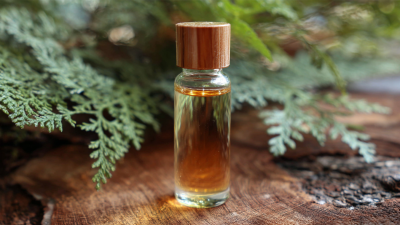
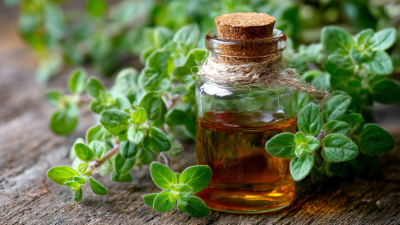
Have you heard about Patchouli Essential Oil? It’s been gaining quite a bit of buzz in the wellness world lately, thanks to its pretty unique scent and some pretty cool therapeutic benefits too. This oil is made from the leaves of the Pogostemon cablin plant—fascinating, right? It actually has a pretty long history rooted in traditional medicine, where folks used it for its calming and grounding effects. These days, as more people are leaning towards natural ways to boost their overall health, Patchouli feels like a handy all-rounder—great for everything from aromatherapy to skincare.
Lately, the holistic health community really seems to be catching onto how many good things this oil can do. Sure, it smells amazing, but it also has properties that are believed to be anti-inflammatory and antibacterial, which makes it super versatile. You can throw a few drops in your diffuser, add it to a bath, or blend it into your skincare routine—whatever works for you. It’s a nice little retreat for the mind and body, helping you find some peace and balance amid the chaos of daily life.
So, as you start exploring what Patchouli Essential Oil can do, think of it more than just a pleasant fragrance. It’s actually a pretty powerful tool for both your physical health and emotional well-being. Incorporating this ancient oil into your self-care routines could give your senses a treat while supporting your overall wellness journey—kind of like giving yourself a little gentle boost whenever you need it.

What is Patchouli Essential Oil and Its Origin?
Patchouli essential oil is extracted from the leaves of the Pogostemon cablin plant, which is native to tropical regions of Asia, particularly Indonesia, India, and the Philippines. This aromatic plant belongs to the mint family, and its essential oil is derived through steam distillation of the dried leaves. Historically, patchouli has been utilized not only for its distinctive earthy scent but also for its various therapeutic properties. Its deep, musky aroma has been a staple in perfumes and incense, especially within traditional Eastern cultural practices.
The origins of patchouli oil trace back to the 19th century, where it was prized for its role in trade routes, often symbolizing luxury and wealth. It gained popularity in the West during the 1960s and 1970s, becoming a quintessential fragrance of the counterculture movement. Beyond its olfactory appeal, patchouli essential oil is valued for its potential health benefits, such as its ability to promote relaxation, reduce anxiety, and act as a natural antifungal agent. Thus, understanding the roots and uses of patchouli essential oil can enhance one's appreciation for this versatile component in wellness practices.
Key Chemical Compounds in Patchouli Oil and Their Benefits
Patchouli essential oil is derived from the leaves of the Pogostemon cablin plant and is recognized for its distinct earthy aroma and numerous wellness benefits. The oil primarily contains key chemical compounds such as patchoulol, alpha-bulnesene, and beta-guaiene, which contribute to its therapeutic properties. According to the International Journal of Essential Oil Therapeutics, patchoulol, making up about 30-50% of patchouli oil, is well-known for its anti-inflammatory and antibacterial properties, making it a valuable addition to natural wellness routines.
In addition to its antimicrobial effects, patchouli oil's chemical profile also provides significant mood-enhancing benefits. Research published in the Journal of Natural Products highlighted the ability of patchouli oil to alleviate anxiety and depression symptoms, due to its calming aroma that promotes relaxation. This is particularly valuable in aromatherapy practices where essential oils are employed to support mental health. Furthermore, studies indicate that the anti-fungal properties of the oil can aid in skin care, suggesting its potential in treating conditions such as dermatitis and acne, highlighting the versatile application of patchouli oil in holistic health.
Health Benefits of Patchouli Essential Oil for Body and Mind
Patchouli essential oil, derived from the leaves of the patchouli plant, has long been cherished for its distinctive earthy aroma and numerous health benefits. One of the most significant advantages of this oil lies in its ability to promote emotional well-being. The soothing scent of patchouli has been shown to reduce stress and anxiety, making it a popular choice for aromatherapy and relaxation practices. Inhaling its fragrance or using it in diffusers can help create a calm atmosphere, conducive to mindfulness and meditation.
Furthermore, patchouli essential oil possesses various physical health benefits that contribute to overall wellness. It is known for its anti-inflammatory and antifungal properties, which can aid in alleviating skin irritations and conditions such as acne or eczema when applied topically. Additionally, patchouli oil has been reported to enhance mood and promote a sense of grounding, which can be particularly beneficial during stressful times. By incorporating patchouli essential oil into your daily routine, you can harness its therapeutic properties to nurture both your mind and body, leading to a more balanced and harmonious lifestyle.
How to Use Patchouli Essential Oil Safely and Effectively
Patchouli essential oil is gaining traction in the wellness community due to its myriad benefits. Derived from the leaves of the Pogostemon cablin plant, this oil is known for its earthy scent and therapeutic properties. To use patchouli essential oil safely and effectively, it’s crucial to understand proper application methods and dosage. According to a study published in the Journal of Essential Oil Research, patchouli oil can act as an anti-inflammatory and antimicrobial agent, making it a potent ally in promoting overall wellness.
When using patchouli essential oil, dilution is key. It should be combined with carrier oils like jojoba or coconut oil before applying it to the skin to prevent irritation. A typical recommendation is to dilute essential oils to a concentration of 1-5% depending on the specific use. For aromatherapy, a few drops can be added to a diffuser or inhaled through personal inhalers, promoting relaxation and emotional stability. It’s essential to conduct a patch test before widespread application to ensure there is no adverse reaction.
Tips: Always store essential oils in a cool, dark place to preserve their potency. Additionally, consider consulting a healthcare professional if you are pregnant, nursing, or have pre-existing health conditions before incorporating patchouli into your wellness routine. Regularly reviewing updates from established organizations, such as the National Association for Holistic Aromatherapy, can provide valuable insights into safe and effective essential oil practices.
Incorporating Patchouli Oil into Aromatherapy Practices
Incorporating patchouli oil into aromatherapy practices can greatly enhance both mental and physical well-being. Known for its earthy and rich aroma, patchouli oil is often used to create a calming atmosphere, making it an excellent addition to meditation or relaxation sessions. When diffused into the air, the scent of patchouli can help alleviate feelings of stress and anxiety, promoting a sense of peace that allows for deeper introspection and mindfulness.
Moreover, patchouli oil's grounding properties can be beneficial in creating a balanced emotional state. When added to massage oils or blended in a warm bath, it helps to soothe sore muscles while also enhancing emotional clarity. By incorporating patchouli oil into your daily aromatherapy routine, whether through inhalation or topical applications, you can cultivate an environment that not only promotes relaxation but also encourages emotional stability and overall mental wellness.
Potential Side Effects and Precautions When Using Patchouli Oil
When considering the use of patchouli essential oil for wellness, it is crucial to be aware of the potential side effects and necessary precautions. Research indicates that while patchouli oil is commonly praised for its calming and balancing properties, it can also lead to adverse reactions in some individuals. According to the National Association for Holistic Aromatherapy, common side effects may include skin irritation, allergic reactions, or headaches, especially when used in high concentrations. It is recommended to perform a patch test before applying diluted oils topically to ensure there are no hypersensitive responses.
Furthermore, certain populations should exercise additional caution when using patchouli oil. Pregnant and breastfeeding women are advised to consult healthcare professionals, as the safety of essential oils during these periods is not well-established. Moreover, individuals with sensitive skin or existing health conditions may need to avoid patchouli oil or use it under the guidance of a qualified practitioner. The Tisserand Institute highlights that essential oils can interact with medications, which underscores the importance of seeking advice from a healthcare provider prior to use. By being informed and cautious, users can better enjoy the benefits of patchouli essential oil while minimizing risks.
Why You Should Consider Using Patchouli Essential Oil for Wellness - Potential Side Effects and Precautions When Using Patchouli Oil
| Aspect |
Details |
| Uses |
Aromatherapy, anxiety relief, skin care, and enhancing mood. |
| Potential Benefits |
Anti-inflammatory properties, improves skin health, enhances relaxation. |
| Common Side Effects |
Skin irritation, allergic reactions, headaches in some users. |
| Precautions |
Conduct a patch test before use, avoid during pregnancy, consult with a physician if on medication. |
| Dosage |
Use diluted; typically 1-2 drops in a carrier oil for topical application. |
| Contraindications |
Should be avoided by individuals with sensitive skin or a history of allergic reactions. |
Exploring Other Uses of Patchouli Essential Oil in Daily Life
Patchouli essential oil, derived from the leaves of the Pogostemon cablin plant, is celebrated not only for its distinct fragrance but also for a variety of practical applications in daily life. Recognized for its anti-inflammatory and antifungal properties, patchouli oil can serve as a natural remedy in various wellness practices.
According to the National Center for Biotechnology Information, the oil's antimicrobial characteristics make it effective in promoting skin health when diluted with a carrier oil, making it a popular choice in skin treatments and lotions.
One of the lesser-known yet beneficial uses of patchouli essential oil is its role in reducing stress and anxiety. A study conducted by the International Journal of Aromatherapy found that inhalation of patchouli oil significantly lowered levels of anxiety among participants, demonstrating its efficacy as a natural stress reliever. This makes it an excellent addition to meditation routines or diffused in living spaces to create a calming atmosphere.
Tips: When incorporating patchouli essential oil into your daily routine, start by adding a few drops to your bath for an aromatic experience that relaxes both mind and body. Also, consider blending it with other essential oils like lavender for enhanced soothing effects. Additionally, using patchouli oil in your homemade cleaning products may not only freshen your space but also provide antimicrobial benefits that keep your environment healthy.
FAQS
: Patchouli essential oil is derived from the leaves of the Pogostemon cablin plant.
The main chemical compounds in patchouli oil include patchoulol, alpha-bulnesene, and beta-guaiene.
Patchoulol has anti-inflammatory and antibacterial properties, making it beneficial for skin health and wellness.
Patchouli oil has mood-enhancing benefits, helping to alleviate symptoms of anxiety and depression through its calming aroma.
Patchouli oil has anti-fungal properties and can aid in treating skin conditions such as dermatitis and acne when used topically.
Inhaling the fragrance of patchouli essential oil or using it in diffusers can help reduce stress and create a calm atmosphere for mindfulness and meditation.
The oil's anti-inflammatory and antifungal properties can help alleviate skin irritations and conditions like acne or eczema.
Using patchouli essential oil can nurture both mind and body, leading to a more balanced and harmonious lifestyle.
Patchouli oil is popular in aromatherapy for promoting emotional well-being and creating a relaxing environment.
Its various therapeutic properties, including mood enhancement and skin care benefits, make patchouli oil applicable in multiple aspects of holistic health.
Conclusion
Patchouli Essential Oil is derived from the leaves of the patchouli plant, native to tropical regions, and has a rich history in traditional practices. This essential oil is celebrated for its key chemical compounds, which include sesquiterpenes that are known to promote relaxation and improve mood. The health benefits of Patchouli Essential Oil extend to both physical and mental wellness, as it can aid in alleviating stress, enhancing skin health, and supporting emotional balance.
To safely and effectively incorporate Patchouli Essential Oil into your wellness routine, it can be used in various forms, such as in aromatherapy or topical applications. However, it's important to be aware of potential side effects and take necessary precautions when using this oil. Beyond its therapeutic benefits, Patchouli Essential Oil also finds its place in daily life through different applications, making it a versatile choice for holistic well-being.