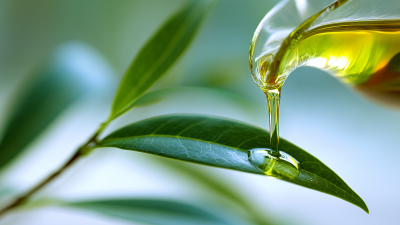
Have you noticed how Bp Tea Tree Oil is really gaining popularity in lots of skincare routines lately? People love how it’s all-natural and the many benefits it offers. A lot of folks use it to help clear up acne and calm down inflammation. Honestly, it’s pretty impressive!
This essential oil has some pretty strong antiseptic qualities, which means it can really help soothe irritated skin. Many users say their skin looks clearer after using it regularly. But, here’s the thing — some people might get a bit sensitive, so it's always smart to do a patch test before applying it more frequently.
If you decide to add Bp Tea Tree Oil into your skincare mix, just remember to be cautious. It’s best to dilute it with a carrier oil — that way, you can help prevent any unwanted skin reactions. Keep an eye on how your skin responds, and you should be good. All in all, it can do wonders for your skin, but a little care with how you use it definitely helps.
Tea tree oil is derived from the Melaleuca alternifolia plant, native to Australia. It's well-known for its antimicrobial properties. This oil contains compounds like terpinen-4-ol, which can effectively fight bacteria and fungi. Research indicates that 5% tea tree oil can reduce acne lesions by up to 50% in just 12 weeks. This data highlights tea tree oil's role in skin care.
Many people might overlook potential reactions. Skin irritation can occur, particularly for those with sensitive skin. Patch testing is advised before applying the oil directly. In a study published in the "Journal of Investigative Dermatology," 10% of users reported mild irritation after use. This shows the need for caution and individualized approach in skin care strategies.
Despite its benefits, tea tree oil should not replace dermatologist-recommended treatments. Its efficacy is promising, but not all users experience the same results. Some individuals may find that tea tree oil does not work for their specific skin concerns. Continual research is necessary to understand better the oil's full range of effects.
Tea tree oil offers numerous skin care benefits. This essential oil is derived from the leaves of the Melaleuca alternifolia plant. It is renowned for its antibacterial and anti-inflammatory properties. Many people use tea tree oil to address various skin issues, such as acne and blemishes.
To enjoy its benefits, dilute tea tree oil with a carrier oil before application. This helps avoid irritation, as it can be potent. A simple mixture of a few drops of tea tree oil with coconut or olive oil works well. Apply it to affected areas using a cotton swab. While many experience positive results, some may find their skin reacts negatively. Patch testing is essential to avoid undesirable outcomes.
Tea tree oil can also help with dandruff and oily skin. Its antifungal properties reduce flakiness and balance oil production. Use it in your shampoo for a refreshing feel. However, be cautious about overuse; too much can lead to dryness. Ultimately, tea tree oil can be a powerful ally in your skin care routine, but understanding its effects is crucial. Experimentation may lead to the best results for your unique skin type.
Choosing the right tea tree oil for your skin type is crucial. Not all tea tree oils are created equal. Different concentrations and purity levels can impact their effectiveness. If you have sensitive skin, opt for a lower concentration. High concentrations may cause irritation or redness. Always perform a patch test before applying.
For oily or acne-prone skin, a stronger tea tree oil might be beneficial. Look for formulations with at least 10% tea tree oil. These can help combat excess oil and breakouts. However, they may still irritate some skin types. Balance is key. Consider adding a carrier oil to dilute the tea tree oil if you experience discomfort.
Dry and combination skin types should be cautious. Formulas with added moisturizers can help. Lighter options may prevent dryness while still providing benefits. Watch for any adverse reactions. This process can take time. Adjust your skincare routine based on how your skin reacts. Patience is essential when finding the right fit for your skin.
Applying Bp tea tree oil to the skin can provide numerous benefits. It helps reduce acne, soothe irritation, and promote clearer skin. However, there are important methods to follow for safety and effectiveness.
When using tea tree oil, dilution is key. Mix a few drops with a carrier oil, like jojoba or coconut oil. This reduces the risk of irritation. Apply it to a small area first, allowing time to see how your skin reacts. If no redness or discomfort occurs, you can gradually increase the application. Use a cotton pad to gently dab the oil onto blemishes or problem areas.
For a refreshing effect, consider incorporating tea tree oil into your skincare routine. Add a few drops to your cleanser or moisturizer. However, ensure you don’t overdo it. Too much can lead to dryness or sensitivity. Always listen to your skin. Reflect on what works for you and adjust your routine as needed. Skin care is not one-size-fits-all, and sometimes it takes a bit of trial and error to find the right balance.
When using tea tree oil for skin care, precautions are essential. This oil is powerful and can cause irritation. Always do a patch test before applying it widely. Place a drop on your wrist and wait for 24 hours. If redness occurs, it’s best to avoid use altogether.
Dilution is necessary. Mix tea tree oil with a carrier oil, like almond or coconut oil. A common ratio is one part tea tree oil to three parts carrier oil. Avoid using it directly on broken skin. It may sting or worsen irritation.
Pregnant or breastfeeding individuals should consult a doctor before use. The scent can be strong and overwhelming for some. Be mindful of its strong antimicrobial properties. Overuse can disrupt your skin’s natural barrier and lead to dryness. Listen to your skin. If you experience discomfort, reduce application frequency or concentration.
Tea tree oil is well-known for its various skin care benefits. However, potential side effects deserve attention. According to a report by the American Academy of Dermatology, tea tree oil can cause irritation for some users. This is especially true for those with sensitive skin. Symptoms may include redness or a burning sensation.
In clinical studies, it was found that about 10% of users experienced adverse reactions. This includes allergic contact dermatitis. It's crucial to perform a patch test before full application. A small area should be tested first. Monitor for any reaction over 24 hours. If irritation occurs, discontinue use immediately.
Additionally, tea tree oil may interact with other skin care products. Mixing it with harsh acids or retinoids can amplify side effects. Always consult a dermatologist before combining treatments. These measures help minimize potential risks while using tea tree oil for skin care.
Tea tree oil offers numerous skin care benefits, mainly due to its antibacterial and anti-inflammatory properties. Studies show it can help reduce acne by up to 50% when used regularly. However, incorporating it into your routine requires careful consideration. It's potent and can irritate some skin types.
Start small. Use a patch test to see how your skin reacts. Apply a diluted tea tree oil solution to a small area. Wait 24 hours for any reaction. If your skin is sensitive, dilute with a carrier oil like jojoba. Aim for a ratio of one part tea tree oil to three parts carrier oil.
Add it to your routine gradually. Mix a few drops with your moisturizer or cleanser. This helps avoid overwhelming your skin. Keep in mind that consistency is key. Use it a few times a week for the best results. Remember, using too much too fast can lead to redness or irritation. Monitor your skin's response and adjust usage accordingly.
| Benefit | How to Use | Frequency | Skin Type |
|---|---|---|---|
| Acne Treatment | Apply a diluted solution directly to affected areas. | Once daily | Oily and Acne-Prone |
| Moisturizer | Mix a few drops with your moisturizer. | Twice daily | Dry and Combination |
| Dandruff Control | Add to shampoo or use in a scalp treatment. | Every wash | All Hair Types |
| Wound Healing | Apply diluted oil to the wound area. | As needed | All Skin Types |
| Pore Minimizer | Use as a toner mixed with water. | Once daily | Oily and Combination |
: This service aims to provide helpful information and assistance. Users can find relevant answers easily.
You can access the information online through a simple search. Just enter your query to get started.
Currently, this service is free to use. No hidden fees are involved, but changes may occur.
You can ask a variety of questions. Topics can range from general knowledge to specific advice.
The information is generally accurate but may not always be perfect. Cross-checking with other sources is wise.
Personalized advice is limited. However, specific guidelines can still help you with common issues.
If the answer isn't clear, try rephrasing your question. Additional context can lead to better answers.
Content updates happen regularly. This ensures users receive the most relevant and accurate information available.
Yes, some questions may not be answered. Avoid asking about sensitive or prohibited topics for best results.
If you spot an error, report it. Feedback helps improve the service for everyone.
Bp Tea Tree Oil is a natural essential oil renowned for its antiseptic and anti-inflammatory properties, making it a popular choice for skin care. This oil offers numerous benefits, including reducing acne, soothing irritated skin, and acting as a natural antibacterial agent. When selecting the right Bp Tea Tree Oil, it’s crucial to consider your specific skin type, as different formulations may suit various needs.
To effectively incorporate Bp Tea Tree Oil into your skin care routine, it can be applied in several ways, such as in diluted form or mixed with carrier oils. However, precautions should be taken to avoid potential side effects, including skin irritation. Always conduct a patch test before widespread use, and consult skin care professionals if needed. With the right approach, Bp Tea Tree Oil can enhance your skincare regimen significantly while promoting healthier skin.