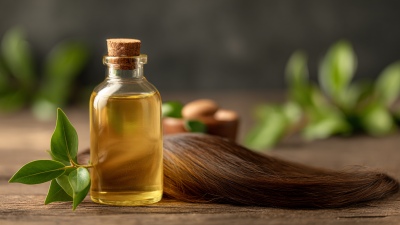
If you’re looking to give your hair a little extra love, adding some tea tree oil to your shampoo might just be a game changer. This essential oil is well-known for its antibacterial and antifungal powers—people often swear by it for a healthier scalp and shinier hair. Honestly, blending it into your routine isn’t really complicated at all.
A lot of popular brands like Paul Mitchell or Aveda already have products with tea tree oil in them, but if you’re feeling a bit DIY, it’s pretty easy to make your own mix. Just grab a good-quality shampoo as your base, and add a few drops of tea tree oil. The scent alone is super refreshing, plus it gives your scalp an instant cleanse. Pretty cool, right?
That said, keep an eye on how your scalp reacts to it — some folks might find it a bit sensitive. It’s best to start with just a tiny bit, and see how your hair and scalp respond over time. This way, you can figure out what works best for you. Overall, tea tree oil could be just the natural boost your hair needs — but do remember, everyone’s different, so results may vary.
Tea tree oil is a powerful natural ingredient known for its benefits for hair health. Extracted from the leaves of the Melaleuca alternifolia tree, this oil has antimicrobial properties. It helps in reducing dandruff and soothing an itchy scalp. Many people experience scalp issues that disrupt hair growth. Tea tree oil can be a part of the solution.
When used in shampoo, tea tree oil can invigorate hair by enhancing its overall health. You can add a few drops of this oil to your regular shampoo. Mixing it well ensures that the oil is evenly distributed. However, it's important to remember that everyone’s scalp is different. A patch test is wise to avoid any adverse reactions. Some individuals might find it irritating. Recognizing this can guide your usage.
Integrating tea tree oil into your hair care routine can address common concerns. Think about the balance between healthy oils and potential irritation. Finding that sweet spot requires patience. Hair care is often a journey, not a destination. Understanding how your scalp responds can lead to better results over time. Experiment with different concentrations and observe how your hair transforms.
| Aspect | Details |
|---|---|
| Ingredient | Tea Tree Oil |
| Benefits | Reduces dandruff, combats dryness, and fights scalp infections. |
| Usage Ratio | 1-2 teaspoons of tea tree oil per 8 ounces of shampoo. |
| Frequency | 2-3 times a week, depending on hair type. |
| DIY Shampoo Recipe | Mix 1 cup of unscented shampoo, 10 drops of tea tree oil, shake well. |
| Precautions | Perform a patch test first; avoid contact with eyes. |
| Storage | Store in a cool, dark place, away from sunlight. |
| Hair Types Benefited | Oily, dry, and normal hair types. |
Tea tree oil has gained popularity for its benefits in maintaining a healthy scalp. Rich in antifungal and antibacterial properties, it helps combat dandruff and dry scalp. A study published in the Journal of the American Academy of Dermatology found that tea tree oil could reduce dandruff severity by up to 40%. This is significant for anyone struggling with scalp issues.
When combined with shampoo, tea tree oil penetrates the scalp and nourishes hair follicles. This promotes stimulation and enhances hair growth. However, it's crucial to use tea tree oil correctly. Undiluted oil may irritate the scalp, leading to further issues. Mixing a few drops with your shampoo can balance its potency.
It's essential to note that while tea tree oil is effective for many, individual reactions may vary. Some might experience dryness or allergic reactions. It’s wise to conduct a patch test before full application. Adjusting the concentration can also be necessary. Balancing benefits and potential sensitivity ensures a healthier scalp while avoiding unnecessary discomfort.
Choosing the right shampoo to mix with tea tree oil is essential for optimal hair health. A study published in the Journal of Cosmetic Dermatology found that tea tree oil can reduce dandruff by over 40% when combined with a suitable shampoo. Look for shampoos that contain natural ingredients, as they help maintain the scalp’s moisture balance. Avoid harsh sulfates; they can strip your hair of natural oils and aggravate dryness.
Tips: Always do a patch test before using any product. This helps to identify any allergic reactions. When choosing your shampoo, check for pH balance. A pH between 4.5 and 5.5 maintains scalp health. Also, consider the scent. A calming fragrance can enhance your wash experience.
Shampoos with tea tree oil can help with scalp issues, but not all are equally effective. Some shampoos may contain fillers or chemicals detrimental to your hair. Aim for products labeled as “sulfate-free” and “paraben-free.” These products are gentler on your hair and scalp, providing a better environment for tea tree oil to work its magic. However, it’s crucial to remember that results can vary. Regular inspections of your scalp health are necessary to gauge progress.
Adding tea tree oil to your shampoo can be a game changer for hair health. Research indicates that tea tree oil has antimicrobial properties. A study in the Journal of Dermatological Science found that it can help reduce dandruff and improve scalp health. Many people struggle with these issues. They may find themselves relying on ineffective commercial products.
To incorporate tea tree oil, start with a small amount. Use two to three drops mixed into a dollop of your usual shampoo. This method allows you to maintain control over the oil concentration. Begin with a lower dose to avoid scalp irritation. It’s crucial to pay attention to how your scalp reacts.
Increasing gradually to five drops is a good approach if you don't experience any discomfort. Some may notice an oily residue on their hair after using this mixture. It could signal that more rinsing is needed. Balance is essential when using essential oils. According to a report by the American Academy of Dermatology, improper use can lead to sensitivity. So, always perform a patch test before applying the mixture to your whole head. This simple step ensures a pleasant and healthy hair care routine.
When using tea tree oil in your shampoo, there are best practices to follow for effective results. Tea tree oil is known for its antifungal and antibacterial properties. A study in the Journal of the American Academy of Dermatology found that using tea tree oil can significantly reduce dandruff, with a 41% improvement in symptoms. This offers a promising solution for those struggling with scalp issues.
Diluting tea tree oil is crucial. Pure tea tree oil can cause irritation. A good rule is to mix 3-5 drops of tea tree oil with a quarter-sized amount of shampoo. Incorporating this mixture into your routine two to three times a week can lead to noticeable improvements. However, overuse may lead to dryness. Your scalp might feel different; assess whether it is dryness or oiliness after a few weeks.
Consider patch-testing the mixture. Apply a small amount on your skin before full use. If irritation occurs, this might not be the right choice for you. While many benefit from tea tree oil, personal reactions vary. Remember, hair and scalp health requires patience. Results may take time, and everyone’s response will differ. It's a process worth observing closely.
Using tea tree oil in shampoo can be a game-changer for your hair health. Incorporating it correctly is essential for maximum benefit. Industry reports highlight that tea tree oil can reduce dandruff by up to 41% after just four weeks of consistent use.
When shampooing with tea tree oil, frequency matters. It's generally advisable to use tea tree oil-infused shampoo two to three times a week. The oil has antifungal properties that combat the yeast-like fungus that often causes dandruff. Overuse can lead to dryness or irritation, so monitor how your scalp reacts.
Tip: Always perform a patch test before applying tea tree oil to avoid allergies. Combine a few drops with your shampoo. Massaging the scalp improves circulation and enhances absorption.
Another tip: adjust your water temperature. Using lukewarm water helps open pores, allowing the oil to work effectively. Cold water may hinder this process, while hot water can strip natural oils. Finding the right balance is crucial, as each person’s scalp responds differently.
Using tea tree oil in your shampoo can promote healthy hair. However, it is essential to be aware of potential side effects. Tea tree oil is potent and can irritate sensitive skin. Before using it, conduct a patch test on a small area of skin. If redness or itching occurs, it may not be suitable for you.
Some individuals experience dryness when using tea tree oil. This could lead to an uncomfortable scalp. Mixing tea tree oil with a carrier oil, like coconut or jojoba, may help. It is crucial to find the right balance. Overuse can also disrupt the natural oils of your scalp. Be mindful of how your hair and scalp respond over time.
While tea tree oil can be beneficial, it isn’t a miracle solution. Not everyone will experience the same results. Necessity for consistency and patience is vital. If you notice persistent irritation or any severe reactions, seek professional advice. Hair health is personal, and what works for one may not work for another.
: The article aims to provide information on a specific topic, detailing key aspects and insights.
You can implement the suggested strategies in your daily life or work environment. Experiment and adjust as needed.
You may encounter obstacles such as lack of resources or time constraints. Reflect on these challenges when planning.
The content is suitable for anyone interested in the topic, regardless of background. Engagement varies by individual.
Success can be tracked through personal or professional goals achieved. Keep a record of progress to evaluate effectiveness.
If results are lacking, reassess your approach. Consider different methods or seek feedback to improve your strategy.
Adding Tea Tree Oil to shampoo can significantly enhance hair health due to its natural antibacterial and antifungal properties. Understanding the benefits of tea tree oil is crucial as it promotes a healthy scalp by unclogging hair follicles and reducing dandruff. When selecting a shampoo for mixing, it's essential to choose one that is sulfate-free and contains nourishing ingredients to maximize the oil's benefits.
To effectively incorporate tea tree oil into your hair care routine, follow a step-by-step guide for proper dilution and application. Best practices include using the oil in moderation and being mindful of the frequency of use to prevent scalp irritation. Additionally, it's important to be aware of potential side effects, such as allergic reactions, and take necessary precautions before starting treatment. By following these guidelines, you can enjoy a refreshed scalp and improved hair health.