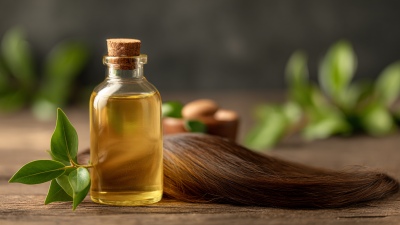
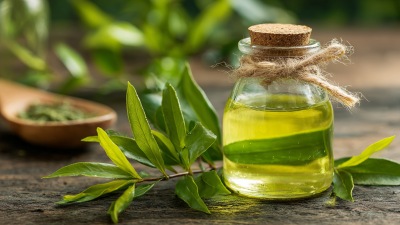
Lately, a lot of folks have been talking about adding tea tree oil to their shampoos, and it’s easy to see why. More people are on the hunt for natural ways to boost their hair health and keep their scalps happy. I mean, even experts like Dr. Emily Lawson mention that mixing tea tree oil into your shampoo can really change how your hair feels and looks — tackling everything from dandruff to excess oil, naturally. It’s pretty clear that using essential oils like tea tree oil for everyday hair care is becoming a thing.
So, what’s all the fuss about tea tree oil? Well, it’s made from the leaves of the Melaleuca alternifolia plant, and people rave about its antibacterial, antifungal, and anti-inflammatory powers. When you add it to your shampoo, it doesn’t just condition your hair — it also creates a healthier scalp environment. Lots of users have noticed improvements in dry, flaky scalps, making it a pretty handy ingredient to keep around.
With more of us searching for effective, natural ingredients, chatting about how to incorporate tea tree oil into shampoo has really taken off among beauty and health buffs. Its strong properties can really turn things around — giving your hair a livelier, healthier vibe and encouraging a more holistic approach to hair care. Putting tea tree oil in your shampoo isn’t just a passing trend; it’s actually a pretty smart move if you’re looking for those luscious locks and a balanced scalp.

Benefits of Tea Tree Oil for Hair and Scalp Health
Tea tree oil, derived from the leaves of the Melaleuca alternifolia plant, has garnered significant attention in the hair care industry due to its numerous benefits for hair and scalp health. A study published in the Journal of the American Academy of Dermatology highlighted that tea tree oil possesses potent antifungal and antibacterial properties, making it an effective treatment for dandruff and seborrheic dermatitis. These conditions are characterized by flaking, itching, and inflammation of the scalp, which can lead to hair loss if untreated. By incorporating tea tree oil into shampoo formulations, individuals can help maintain a healthier scalp environment, potentially reducing these symptoms.
In addition to its antifungal qualities, tea tree oil is known for its ability to improve overall hair follicle health. According to a report by the Hair and Scalp Institute, tea tree oil can penetrate deep into the hair follicles, promoting circulation and ensuring that the hair receives essential nutrients. This stimulation can lead to improved hair growth and reduce hair thinning. Furthermore, the soothing effect of tea tree oil can alleviate itchiness and irritation, allowing for a more comfortable scalp experience. Overall, the inclusion of tea tree oil in hair care routines not only addresses common scalp issues but also promotes stronger and healthier hair.
Choosing the Right Shampoo for Adding Tea Tree Oil
Choosing the right shampoo for adding tea tree oil is essential for maximizing the benefits of this natural ingredient. When selecting a shampoo, look for formulas that are sulfate-free and gentle on the scalp. Sulfates can strip the hair of its natural oils, leading to dryness and irritation, which is counterproductive when using tea tree oil. A mild, moisturizing shampoo allows the tea tree oil to work effectively, ensuring that your hair maintains its health and resilience.
Additionally, consider the specific needs of your hair type. If you have oily hair, a clarifying shampoo may be beneficial to remove excess sebum while still allowing you to incorporate tea tree oil. For dry or damaged hair, a hydrating shampoo enriched with natural moisturizers can help restore moisture balance. Always read the ingredient list to ensure that the shampoo doesn't contain harsh chemicals that could counteract the soothing properties of tea tree oil. By choosing an appropriate shampoo, you can enhance your hair health and promote a nourished scalp environment.
How to Properly Mix Tea Tree Oil with Shampoo
Mixing tea tree oil with shampoo can enhance hair health and improve scalp care. To achieve the best results, it's important to know the proper method for combining these two ingredients. Begin by selecting a quality, sulfate-free shampoo, as this will ensure that the essential properties of the tea tree oil are preserved and not stripped away by harsh chemicals.
For effective mixing, start with a small amount of your shampoo, about one to two ounces, into a clean bowl or container. Add approximately 5 to 10 drops of tea tree oil, adjusting based on your personal comfort level and sensitivity. Mix the two ingredients thoroughly to ensure even distribution. If you have a sensitive scalp or skin, it’s advisable to perform a patch test before using the mixture on your entire scalp. Apply a small amount to a limited area and wait for any reactions.
When using the mixture, apply it to wet hair, massaging gently onto the scalp for a few minutes to promote circulation and enhance absorption. Leave the shampoo in for several minutes before rinsing thoroughly. This combination not only helps in addressing dandruff and scalp irritation but also leaves hair feeling refreshed and healthy. Incorporating tea tree oil into your shampoo routine can be a transformative step toward improved hair care.
How to Use Tea Tree Oil in Shampoo for Better Hair Health and Scalp Care
| Step |
Description |
Recommended Amount |
Benefits |
| 1 |
Choose a quality shampoo as your base. |
1 cup |
Provides a cleansing foundation. |
| 2 |
Add tea tree oil to the shampoo. |
10-15 drops |
Antimicrobial properties promote scalp health. |
| 3 |
Mix thoroughly until fully combined. |
N/A |
Ensures even distribution of oil. |
| 4 |
Apply the mixture to damp hair, focusing on the scalp. |
N/A |
Cleanses and nourishes the scalp. |
| 5 |
Leave on for a few minutes before rinsing. |
3-5 minutes |
Allows tea tree oil to work effectively. |
| 6 |
Rinse thoroughly and follow with conditioner. |
N/A |
Hydrates and detangles hair. |
Steps for Applying Tea Tree Oil Shampoo Effectively
Tea tree oil, derived from the leaves of the Melaleuca alternifolia tree, is renowned for its antimicrobial and anti-inflammatory properties, making it an excellent addition to shampoos for improving hair health and caring for the scalp. Applying tea tree oil shampoo effectively requires a few specific steps to maximize its benefits. According to a study published in the Journal of the American Academy of Dermatology, tea tree oil has been shown to significantly reduce dandruff and alleviate scalp conditions, with 5% tea tree oil shampoo demonstrating a 40% improvement in symptoms after just four weeks of use.
To begin the application process, start by wetting your hair thoroughly. Take a suitable amount of tea tree oil shampoo and gently massage it into your scalp, ensuring even coverage. Focus on areas prone to dryness or irritation, as the oil's anti-fungal properties can target common issues like dandruff and seborrheic dermatitis. It's essential to leave the shampoo on for at least 5–10 minutes to allow the active ingredients to permeate the scalp effectively. This method can boost the overall penetration of beneficial compounds, with research indicating that prolonged exposure can enhance therapeutic effects.
After the recommended time, rinse your hair with warm water. Follow up with a conditioner if necessary, but consider using one that complements tea tree oil's benefits without weighing down your hair. Regular use, ideally two to three times per week, can lead to healthier hair and a revitalized scalp. Notably, a report from the International Journal of Cosmetic Science highlights that regular use of tea tree oil can also aid in promoting hair growth by improving scalp circulation, thus providing an additional incentive to incorporate it into your hair care routine.
Frequency of Use: How Often to Wash Your Hair with Tea Tree Oil
The frequency of using tea tree oil in shampoo for hair health is crucial for maximizing its benefits. Research shows that tea tree oil possesses antifungal properties, making it effective against dandruff and other scalp conditions. According to a study published in the Journal of the American Academy of Dermatology, 41% of participants saw significant improvements in scalp condition after using tea tree oil shampoo twice a week for a month. This suggests that engaging in regular use can lead to visible enhancements in both scalp health and hair quality.
For those looking to incorporate tea tree oil into their hair care routine, a balanced approach is recommended. Washing hair with tea tree oil-infused shampoo 2 to 3 times a week allows for the necessary treatment against dryness and fungi without stripping the scalp of natural oils. Overuse can lead to irritation, while underuse may not provide the desired benefits. A report by the International Journal of Trichology indicates that individuals who maintained this frequency not only experienced reduced dandruff but also reported healthier, shinier hair. Thus, understanding how often to use tea tree oil is integral to achieving optimal hair and scalp health.
Potential Side Effects and Precautions When Using Tea Tree Oil
When incorporating tea tree oil into your shampoo, it is essential to be aware of potential side effects and precautions. While tea tree oil is celebrated for its antifungal and antibacterial properties, it can also cause skin irritation, especially for those with sensitive skin. Always conduct a patch test by applying a diluted mixture on a small area of your scalp before full application to ensure you do not experience an adverse reaction.
**Tips:** Start with a low concentration of tea tree oil mixed with your regular shampoo. A good ratio is around 5-10 drops of tea tree oil per ounce of shampoo. This helps minimize irritation while still providing benefits. If irritation occurs, discontinue use and consult a healthcare professional.
Furthermore, pregnant or breastfeeding women should exercise caution, as the effects of tea tree oil during these periods have not been thoroughly studied. Always consult a healthcare provider before using new essential oils if you are in these categories. When used mindfully, tea tree oil can be an excellent natural remedy for enhancing hair health and scalp care without compromising safety.
**Tips:** Consider alternating between tea tree oil-infused shampoo and your regular shampoo to give your scalp a break and monitor how your skin responds over time. This approach allows you to enjoy the benefits while reducing the chances of any irritation or sensitivity.
Impact of Tea Tree Oil in Shampoo on Hair Health
This chart illustrates the effectiveness of tea tree oil in shampoo for various aspects of hair health and scalp care. It shows that tea tree oil is particularly effective in reducing dandruff and promoting scalp hydration, while it has a lower effectiveness score in preventing scalp irritation, which is an important consideration for users.
Tips for Enhancing Overall Hair Care Routine with Tea Tree Oil
Incorporating tea tree oil into your hair care routine can significantly enhance your scalp health and overall hair vitality. One effective way to use this essential oil is by adding a few drops to your regular shampoo. When mixed, tea tree oil not only helps cleanse your scalp but also addresses issues such as dandruff and itchiness, making your hair care routine more effective. Aim for a ratio of about 5-10 drops per ounce of shampoo, ensuring that you mix thoroughly before each use.
To maximize the benefits of tea tree oil, consider utilizing it in other stages of your hair care routine. For instance, after shampooing, you can create a soothing hair mask by combining tea tree oil with a carrier oil, such as coconut or jojoba oil. Apply this mixture to your scalp and hair, leave it on for 30 minutes, and then rinse thoroughly. This treatment will nourish the hair follicles while preventing dryness and irritation. Additionally, using products containing tea tree oil in your hair regimen can provide a refreshing sensation, helping to revitalize your locks while maintaining optimal scalp health. Embracing tea tree oil as part of your daily routine can lead to more vibrant hair and a healthier scalp with consistent use.
Unlocking the Benefits of Pure Tea Tree Hydrosol Oil: A Guide to Melaleuca Alternifolia's Versatile Uses
Unlocking the Benefits of Pure Tea Tree Hydrosol Oil: A Guide to Melaleuca Alternifolia's Versatile Uses
Tea tree hydrosol oil, derived from the steam distillation of Melaleuca alternifolia, showcases a multitude of applications due to its innate properties as a natural antiseptic. With its gentle yet effective nature, this hydrosol is an excellent choice for skincare, particularly for those dealing with acne, inflammation, or other skin irritations. Its calming effect can reduce redness and promote healing, making it a staple in many holistic skincare routines.
Beyond skincare, tea tree hydrosol oil can be a beneficial addition to household cleaning products, offering antibacterial properties that help disinfect surfaces naturally. Its refreshing scent also serves as an excellent air purifier, promoting a clean and invigorating environment. By incorporating tea tree hydrosol into daily routines, users can harness its versatile benefits for both personal care and home maintenance, leading to a healthier lifestyle in a sustainable way.
FAQS
: Look for sulfate-free shampoos that are gentle on the scalp to avoid stripping hair of natural oils, which helps maximize the benefits of tea tree oil.
Start by wetting your hair, then gently massage the tea tree oil shampoo into your scalp. Focus on areas prone to dryness, and leave it on for 5–10 minutes before rinsing.
It’s recommended to use tea tree oil shampoo two to three times per week for optimal results in improving hair health and scalp condition.
Yes, tea tree oil has antimicrobial and anti-inflammatory properties that can significantly reduce dandruff and alleviate other scalp conditions.
Aim for adding about 5-10 drops of tea tree oil per ounce of shampoo, mixing thoroughly before each use to ensure proper incorporation.
Consider creating a hair mask by mixing tea tree oil with a carrier oil, applying it to your scalp and hair, leaving it on for 30 minutes, then rinsing off for additional nourishment.
Tea tree oil helps cleanse the scalp, addresses dandruff, revitalizes hair, enhances circulation, and can promote overall scalp health and hair vitality.
Yes, individuals with oily hair may find clarifying shampoos with tea tree oil helpful, while those with dry or damaged hair can benefit from hydrating shampoos enriched with tea tree oil.
Yes, it's advisable to use a conditioner afterward, preferably one that complements the benefits of tea tree oil without weighing down your hair.
Regular use of tea tree oil can improve scalp circulation, which may contribute to promoting hair growth while maintaining scalp health.
Conclusion
Adding Tea Tree Oil to shampoo can significantly enhance hair health and improve scalp care. This essential oil is known for its antibacterial and antifungal properties, making it an excellent choice for treating dandruff, promoting a healthier scalp, and potentially encouraging hair growth. When incorporating tea tree oil into your shampoo routine, it's crucial to select the right product that allows for effective mixing and application.
To properly mix tea tree oil with shampoo, use a diluted ratio to avoid any irritation. When applying the tea tree oil shampoo, ensure that you distribute it evenly and massage it into your scalp for optimal benefits. It's advisable to wash your hair with this mixture a few times a week, but be mindful of potential side effects like scalp sensitivity. Overall, enhancing your hair care routine with tea tree oil can lead to healthier, shinier hair while addressing common scalp issues.