Tea Tree Oil, honestly, is one of those natural products that’s really gained popularity for good reason. It’s made from the leaves of the Melaleuca alternifolia tree, and people have been using it for ages—especially in traditional medicine—for its powerful antimicrobial and anti-inflammatory effects. I mean, it’s pretty amazing how versatile it is! You’ll find it in tons of skincare routines, especially for stuff like fighting acne or pesky fungal infections. It’s definitely a go-to for many folks looking for natural solutions.
In this article, I want to share some of the main benefits of Tea Tree Oil and how you can actually start using it in your daily life. Whether you’re hoping to clear up blemishes, deal with dandruff, or just freshen up your cleaning routine, this oil has got you covered. I’ll also give you some tips on how to use it safely and effectively, so you can get all the good stuff without any worries. Let’s dive in and see how Tea Tree Oil could really make a difference in your health and beauty game!

What is Tea Tree Oil: An Overview of Its Origins and Composition
Tea tree oil, derived from the leaves of the Melaleuca alternifolia tree native to Australia, has a rich history of use among indigenous Australians for its medicinal properties. This essential oil is known for its unique composition, primarily consisting of terpinen-4-ol, which contributes to its antimicrobial and antiseptic qualities. The extraction process, usually steam distillation, retains the oil's potent constituents, making it a popular natural remedy for a variety of skin conditions.
When using tea tree oil, it's essential to remember that it is highly concentrated. Tips for application include diluting the oil with a carrier oil, such as coconut or jojoba oil, to minimize any potential skin irritation. For spot treatments, applying a small amount directly to blemishes can help reduce inflammation and promote healing.
Additionally, tea tree oil can be incorporated into your skincare routine or household cleaning solutions. For a refreshing facial toner, mix a few drops of tea tree oil with water and apply it with a cotton pad. Alternatively, you can add it to your laundry for a natural disinfectant. Always perform a patch test before extensive use to ensure compatibility with your skin.

The Benefits of Pure Natural Cleansing Liquid with Tea Tree Essential Oil for Eco-Friendly Home Cleaning
The use of pure natural cleansing liquids, particularly those infused with tea tree essential oil, offers an array of benefits for eco-friendly home cleaning. Tea tree oil, known for its potent antimicrobial properties, has been reported to enhance the effectiveness of cleaning products. According to a study published in the Journal of Essential Oil Research, tea tree oil exhibits antimicrobial activity against various strains of bacteria, fungi, and viruses, making it an ideal component for creating a sustainable and effective cleaning solution.
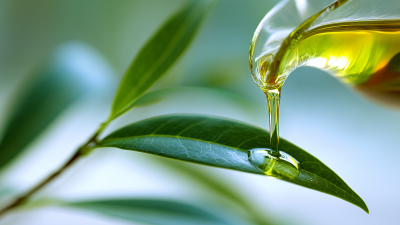
When utilized as a cleansing agent, the transparent liquid derived from tea tree leaves not only cleans but also disinfects surfaces, helping to reduce indoor allergens and pathogens. A report from the Environmental Protection Agency emphasizes the importance of using natural ingredients in household cleaning products to minimize the release of harmful chemicals into the environment. The incorporation of tea tree oil aligns with this approach, promoting a healthier home atmosphere while ensuring safety for both the inhabitants and the planet.
Furthermore, the eco-friendly aspect of using pure natural cleansing liquids cannot be overstated. Many conventional cleaning products contain harsh chemicals that can contribute to indoor air pollution. In contrast, tea tree essential oil provides a biodegradable alternative, ensuring that the natural cleansing process is both effective and environmentally conscious. This thoughtful integration of natural ingredients supports a holistic approach to household cleaning, prioritizing both cleanliness and ecological responsibility.

FAQS
: Tea tree oil is an essential oil derived from the leaves of the Melaleuca alternifolia tree, which is native to Australia. It has a rich history of medicinal use among indigenous Australians.
The primary component of tea tree oil is terpinen-4-ol, which is responsible for its antimicrobial and antiseptic properties.
Tea tree oil is highly concentrated and should be diluted with a carrier oil, such as coconut or jojoba oil, to prevent skin irritation. For spot treatments, it can be applied directly to blemishes to help reduce inflammation.
Yes, tea tree oil can be incorporated into skincare routines. It can be used in a facial toner by mixing a few drops with water or added to laundry for its disinfectant properties.
Tea tree oil is effective in addressing various skin conditions, including acne, by reducing inflammation and unclogging pores.
Yes, tea tree oil can be used as a natural antiseptic for minor cuts and scrapes, aiding in the healing process and preventing bacterial growth.
It is important to perform a patch test before extensive use of tea tree oil to ensure it is compatible with your skin.
Yes, tea tree oil has a soothing aroma that can promote relaxation and may be used in aromatherapy to alleviate stress and tension.
The oil is typically extracted through steam distillation, which helps retain its potent constituents.
Conclusion
Tea tree oil essential is derived from the leaves of the Melaleuca alternifolia tree, known for its unique composition rich in terpenes, which contribute to its potent therapeutic properties. This essential oil is celebrated for its versatile applications in health and skincare, addressing issues such as acne, infections, and inflammation. Beyond personal care, tea tree oil is also utilized in various household solutions, making it a staple in natural cleaning products.
When it comes to application, different methods can be employed depending on the intended use and skin type, ensuring efficacy and safety. It's essential to follow precautions when using tea tree oil essential to avoid adverse effects and ensure a positive experience. Additionally, tea tree oil holds valuable benefits in aromatherapy, enhancing mental well-being. Its comparison with other essential oils highlights its distinct properties, solidifying its reputation as a go-to natural remedy in both health and wellness practices.
Related Posts
-

10 Tips for Using Tea Tree Oil Essential for Skincare and Home Remedies
-

The Surprising Benefits of Tea Tree Oil Essential for Skin and Hair Care
-
Unlocking the Benefits of Essensual Tea Tree Oil for Global Supply Chains in the Cosmetics Industry
-

Exploring the Benefits of Tea Tree Oil Essential for Skin and Hair in 2025
-

10 Amazing Benefits of Tea Tree Oil Essential for Skin and Hair Care
-

Unlocking the Secrets of Tea Tree Oil Cream for Acne Treatment and Skin Health Benefits
