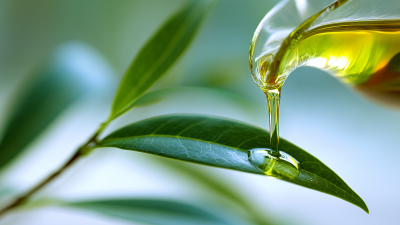
Pure Tea Tree Oil has really been making waves in the wellness world lately. I mean, it’s no wonder—Dr. Laura Simmons from the Essential Oils Academy, who’s pretty much an aromatherapy guru, calls it a true powerhouse when it comes to skin health. She’s right, too—this stuff is extracted from the leaves of the Melaleuca alternifolia tree, which actually grows in Australia.
And honestly, the benefits are pretty impressive. People love it for its natural antiseptic properties. It’s been a game-changer for treating small cuts and spots, and lots of folks swear it’s helped clear up acne and dandruff when they used it regularly. The best part? It’s gentle enough to put on the skin without feeling overwhelming or harsh.
That said, not all Pure Tea Tree Oils are actually created equal. In this industry, quality is super important. Sadly, some products might be diluted or even synthetic, so it’s kinda risky if you just grab the cheapest option out there. That’s why I always tell people to buy from trusted brands. Speaking from personal experience, I sometimes wonder if I really know where my oils even come from. But honestly, a good, genuine Pure Tea Tree Oil can really make a difference when it comes to boosting your health.

What is Pure Tea Tree Oil? An Overview of Its Origins and Composition
Pure tea tree oil is derived from the leaves of the Melaleuca alternifolia tree, native to Australia. Its unique composition includes terpinen-4-ol, a compound known for its antimicrobial properties. According to a report from the Journal of Clinical Microbiology, tea tree oil exhibits strong antibacterial activity against a range of pathogens. This makes it a popular choice for skincare, particularly in treating acne and fungal infections.
The extraction process usually involves steam distillation, which preserves its beneficial compounds. Studies indicate that this oil can enhance skin healing. In one study published in the Australian Journal of Dermatology, participants reported significant improvements in acne after using tea tree oil. However, it’s essential to note that undiluted oil can cause skin irritation. Testing a small area before widespread use is recommended.
Tea tree oil’s versatility extends beyond skincare. It has antifungal and antiviral properties, making it useful in household cleaning products. Despite its wide applications, improper use can lead to adverse effects. It's crucial to consult professional guidance before incorporating it into routines. Understanding its origins and composition is key to maximizing its benefits while minimizing risks.
Historical Use of Tea Tree Oil: From Indigenous Practices to Modern Applications
Tea tree oil has a rich history rooted in indigenous practices. Indigenous Australians have used the oil for centuries, recognizing its therapeutic properties. They extracted the oil from the leaves of the Melaleuca alternifolia tree. This method was natural and sustainable, showing respect for the environment.
The benefits of tea tree oil became more widely known in the 20th century. Researchers confirmed its antiseptic and anti-inflammatory properties. Modern applications now include skincare, wound care, and even household cleaning. However, despite its many uses, some still approach tea tree oil with skepticism. Misuse can lead to skin irritation, so caution is essential.
Today, tea tree oil is celebrated globally, yet it is important not to overlook its origins. Understanding its traditional uses enhances its value. As society continues to embrace natural remedies, remembering the roots of tea tree oil allows for a more thoughtful approach. Balancing modern applications with traditional knowledge creates a more comprehensive understanding of this powerful oil.
Key Chemical Compounds in Tea Tree Oil: How They Contribute to Its Efficacy
Tea tree oil is renowned for its unique chemical composition. The primary active compounds include terpinen-4-ol, α-terpineol, and 1,8-cineole. Each compound contributes distinct therapeutic properties. Terpinen-4-ol, for instance, exhibits potent antimicrobial activity. Studies indicate that concentrations as low as 1% can effectively inhibit the growth of various bacteria and fungi. This makes tea tree oil a popular choice in formulations aimed at treating skin conditions.
Additionally, α-terpineol plays a crucial role in the oil's effectiveness. Research shows that it possesses anti-inflammatory properties. This can help soothe irritated skin and reduce redness. Importantly, 1,8-cineole is recognized for its abilities to promote circulation and provide a refreshing sensation. However, it can also cause irritation in some sensitive individuals. Users must patch-test products before full application to avoid adverse reactions.
The synergistic effect of these compounds enhances the overall efficacy of tea tree oil. A 2021 study documented a 93% reduction in acne lesions with a topical formulation containing tea tree oil. Yet, not everyone experiences the same benefits. Individual skin types and sensitivities vary. This highlights the importance of understanding personal reactions to natural products. Awareness and caution are essential when using pure tea tree oil.
Top Benefits of Pure Tea Tree Oil: Skin, Hair, and Health Applications
Pure tea tree oil is extracted from the leaves of the Melaleuca alternifolia plant. Its unique properties make it a go-to oil for various applications in skin, hair, and health. The versatility of pure tea tree oil lies in its natural antibacterial and antifungal abilities. Many people use it to treat skin irritations like acne and eczema. It may also support scalp health, promoting a balanced environment for hair growth.
For skin, tea tree oil can be diluted with a carrier oil. This helps to reduce irritation. A blend of tea tree oil and coconut oil can be effective for calming redness and inflammation. Always patch-test new mixtures on a small skin area. This ensures no adverse reactions occur.
In hair care, tea tree oil's cleansing properties can help remove buildup from products. Adding a few drops to your shampoo could help maintain a healthier scalp. Remember, moderation is key. Overuse can lead to dryness or irritation. When using it for health applications, always consult a healthcare professional for guidance. Your health journey is personal, and it's vital to personalize your approach for optimal results.
Top Benefits of Pure Tea Tree Oil
Scientific Studies Supporting the Effectiveness of Tea Tree Oil in Treatments
Tea tree oil has gained attention for its myriad benefits. Scientific research underpins its effectiveness in various treatments. Study findings indicate that tea tree oil possesses antibacterial and antifungal properties. These qualities make it suitable for addressing skin infections and acne. One study highlighted its effectiveness against acne-causing bacteria, showing promising results.
Another key aspect of tea tree oil is its role in promoting skin health. Research demonstrates its anti-inflammatory effects. This can soothe irritation and redness. Some individuals experience allergic reactions to skincare products. In such cases, tea tree oil might provide relief, but it’s not suitable for everyone. It’s crucial to perform a patch test before use.
Studies also explore tea tree oil's impact on dandruff. The oil can reduce flakiness and itchiness. However, consistent use is essential to see lasting results. It's worth noting that while tea tree oil offers benefits, not all research is conclusive. Some studies have limitations, leading to varied results. More extensive trials would enhance understanding and application in holistic skincare.
What is Pure Tea Tree Oil and How Can It Benefit You?
| Benefit |
Scientific Evidence |
Usage |
| Antimicrobial Properties |
Multiple studies indicate tea tree oil's effectiveness against bacteria, viruses, and fungi. |
Applied topically for infections and skin irritations. |
| Acne Treatment |
Clinical trials show significant reduction in acne lesions. |
Diluted application on affected areas of the skin. |
| Anti-inflammatory Effects |
Research supports its use for reducing inflammation and redness. |
Used in skincare products and dilutions for soothing. |
| Dandruff Control |
Studies indicate tea tree oil can reduce dandruff severity. |
Added to shampoos or applied directly to the scalp. |
| Wound Healing |
Evidence suggests acceleration of wound healing process. |
Topical application on minor cuts and abrasions. |
Safe Usage Guidelines for Pure Tea Tree Oil: Dosage and Application Methods
Pure tea tree oil, derived from the leaves of the Melaleuca alternifolia plant, has gained attention for its versatility. It's known for its antimicrobial properties and is often used in skin care and for household cleaning. When considering its use, proper dosage and application are crucial for maximizing benefits while minimizing risks.
For skin applications, diluting tea tree oil is recommended. A common guideline suggests mixing one part tea tree oil with at least nine parts carrier oil, such as jojoba or coconut oil. This dilution helps reduce the risk of skin irritation. Before using, do a patch test. Apply a small amount of diluted oil to your inner wrist and wait 24 hours to check for adverse reactions.
Here’s a tip: start with small amounts to observe how your skin reacts. Using pure oil directly on the skin can cause redness or peeling. For hair care, a few drops mixed into your shampoo can effectively combat dandruff without overwhelming your scalp. The National Center for Biotechnology Information reports 14% of people may experience sensitivity to tea tree oil. Hence, monitoring your body's response is essential for safe usage.
Potential Side Effects and Allergic Reactions: What Users Should Know
Pure tea tree oil is a natural essential oil known for its antimicrobial properties. While it can offer many benefits, users should be aware of potential side effects and allergic reactions. Skin irritation is one of the most common issues. Some users report redness or a burning sensation upon application. People with sensitive skin should perform a patch test before widespread use.
Allergic reactions can also occur, resulting in rashes or itching. If you experience these symptoms, discontinue use immediately. Consulting with a healthcare professional is wise if you have concerns about allergies. Always read labels carefully to ensure the oil is pure and unadulterated.
Tips: When using tea tree oil, dilute it with a carrier oil like coconut or jojoba oil. This helps reduce the risk of irritation. Start with a small amount to gauge your skin's reaction. Keep it away from sensitive areas, such as the eyes and mucous membranes. Regularly review the effects of the oil on your skin. Note changes and adjust your usage accordingly.
FAQS
: Pure tea tree oil comes from the Melaleuca alternifolia tree in Australia. It has antimicrobial properties.
The extraction process involves steam distillation. This method helps preserve beneficial compounds.
It can treat acne and improve skin healing. Users often report reduced irritation and redness.
Yes, undiluted oil may irritate the skin. Always do a patch test before widespread application.
Yes, it has antifungal and antiviral properties. Many people add it to cleaning products for its benefits.
Tea tree oil might help soothe irritation. However, it may not work for everyone; perform a patch test first.
It can reduce flakiness and itchiness, but consistent usage is vital for noticeable improvements.
No, some studies have limitations. Results can vary, indicating that more extensive trials are needed.
Yes, consulting a professional is advisable. This ensures safe and effective incorporation into your routine.
Conclusion
Pure Tea Tree Oil is a natural essential oil derived from the leaves of the Melaleuca alternifolia plant, known for its rich history in indigenous medicine and various modern applications. This oil contains key chemical compounds such as terpinen-4-ol, which are responsible for its potent antimicrobial and anti-inflammatory properties. As a versatile product, Pure Tea Tree Oil offers numerous benefits for skin health, hair care, and overall wellness. Current scientific studies further highlight its efficacy in treating conditions like acne, dandruff, and fungal infections.
While incorporating Pure Tea Tree Oil into your routine can yield impressive results, it's essential to use it safely to avoid potential side effects and allergic reactions. Adhering to guidelines on dosage and application methods ensures that you can enjoy the many advantages of this powerful oil while minimizing risks.