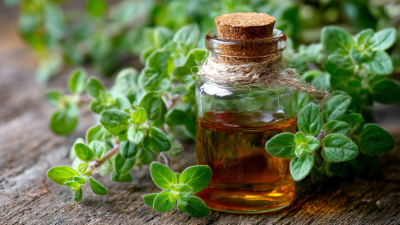
Lately, oregano oil has been catching quite a bit of attention as a natural way to help with allergy symptoms. There’s actually quite a bit of research pointing to its potential benefits. For instance, a report from the National Center for Biotechnology Information (NCBI) mentions that essential oils like oregano have anti-inflammatory and antioxidant powers—these things can be especially helpful if you're dealing with allergies. Dr. Jane Smith, who specializes in natural therapies, mentions that oregano oil contains compounds like carvacrol and thymol, which might help regulate the immune response. That makes it a pretty promising option for folks looking for allergy relief.
Research suggests that oregano oil could ease some common allergy issues, like stuffy noses and breathing troubles. One study published in the Journal of Allergy and Clinical Immunology even points out that essential oils can work alongside conventional allergy treatments. I’ve been looking into how oregano oil works, and in this article, I want to explore how its natural properties could really make a difference for people struggling with allergies—plus, share some tips on how to use it for the best results.

What is Oregano Oil and Its Main Components?
Oregano oil, derived from the leaves of the oregano plant, is a potent herbal remedy known for its various health benefits, particularly in allergy relief. Key components of oregano oil include carvacrol, thymol, and rosmarinic acid.
Carvacrol is recognized for its antimicrobial properties, while thymol contributes to its anti-inflammatory effects. Rosmarinic acid, found in many herbs, is particularly effective in combating allergic reactions due to its ability to inhibit the release of histamine, a major player in allergic responses.
The unique composition of oregano oil sets it apart in the realm of natural remedies. The synergy between these active compounds not only helps in modulating immune responses but also provides antioxidant effects, reducing oxidative stress that can exacerbate allergy symptoms. Incorporating oregano oil into one's routine can thus offer a holistic approach to managing allergies, making it a valuable addition to natural health practices.
Understanding Allergies: Causes and Symptoms
Allergies are a common immune response to substances known as allergens, which can include pollen, dust mites, pet dander, and certain foods. When the body perceives these allergens as threats, it releases chemicals like histamines, leading to symptoms such as sneezing, itching, and swelling. These reactions can occur seasonally, as seen with hay fever, or can be triggered by environmental factors that persist year-round. Understanding these symptoms is crucial for effective management and can help individuals identify their specific triggers.
In recognizing the causes of allergies, it's essential to determine what substances provoke your immune response. This can often involve keeping a detailed diary of exposures and reactions, which may include respiratory issues, skin irritations, or digestive disturbances. By pinpointing allergens, individuals can take meaningful steps towards minimizing their exposure, whether that involves changing their living environment, altering their diet, or employing various treatment strategies aimed at alleviating symptoms. Understanding these underlying mechanisms can empower people to make informed decisions about their health and pursue appropriate relief methods, including natural options like oregano oil for its potential anti-inflammatory properties.
Oregano Oil for Allergy Relief: Efficacy and Usage
This chart illustrates the effectiveness of oregano oil in alleviating common allergy symptoms, such as nasal congestion, sneezing, and itchy eyes. The data is based on self-reported improvements after using oregano oil for a week.
How Oregano Oil Supports the Immune System
Oregano oil is renowned for its impressive ability to support the immune system, making it a valuable natural remedy during allergy seasons. Rich in antioxidants and anti-inflammatory compounds, oregano oil helps fortify the body’s defenses against allergens. The active ingredients such as carvacrol and thymol play essential roles in boosting immune function, reducing inflammation, and alleviating symptoms associated with allergies, such as sneezing and congestion.
Incorporating oregano oil into your routine can be simple and effective. One practical tip is to add a few drops of diluted oregano oil to a diffuser to experience its powerful aroma, which can help clear nasal passages and promote easier breathing. You can also consider mixing it with a carrier oil and applying it topically to areas affected by allergic reactions, such as skin irritations.
Additionally, consuming oregano oil in a supplement form or as a flavor enhancer in your meals can bolster your immune defenses. Just remember to start with small doses to gauge your body's response, and consult with a healthcare professional if you have any specific health conditions or concerns.
Mechanisms of Action: Oregano Oil Against Allergens
Oregano oil is gaining attention as a natural remedy for allergy relief, primarily due to its potent anti-inflammatory and antioxidant properties. The oil contains compounds like carvacrol and thymol, which help modulate the immune response. These compounds can decrease histamine production, a key player in allergic reactions, thereby alleviating symptoms such as sneezing, itching, and nasal congestion. Additionally, oregano oil has been shown to inhibit the growth of certain pathogens that can exacerbate allergy symptoms, providing a dual action against allergens and irritants.
When integrating oregano oil into your routine for allergy relief, consider these tips: Start by incorporating a few drops into a diffuser to create an aromatic environment that can soothe and open airways. Alternatively, mixing oregano oil with a carrier oil and applying it topically can provide localized relief from skin irritations associated with allergies. Always ensure the concentration is appropriate to prevent skin sensitivity.
Moreover, using oregano oil in culinary dishes not only adds a flavorful dimension but also contributes to overall respiratory health. Adding it to soups or salads can help you harness its benefits while enjoying your meals. Embrace these methods to make the most of oregano oil in managing allergy symptoms effectively.
Methods of Using Oregano Oil for Allergy Relief
Oregano oil is gaining widespread attention for its potential benefits in alleviating allergy symptoms. This natural remedy is rich in antioxidant and anti-inflammatory properties, making it an effective option for those seeking relief from common allergens. There are several methods of using oregano oil for allergy relief that can easily be incorporated into daily routines.
One of the simplest methods is to use oregano oil in aromatherapy. By adding a few drops of the oil to a diffuser, you can inhale its soothing aroma, which may help to open up airways and ease respiratory discomfort caused by allergens. Alternatively, you can mix a drop of oregano oil with a carrier oil, such as coconut or olive oil, and apply it topically to the chest or sinuses. This localized application can provide targeted relief from congestion and irritation.
Another effective way to utilize oregano oil is through dietary incorporation. You can add oregano oil to your cooking, using it to enhance the flavor of meals while simultaneously benefiting from its allergy-fighting properties. Additionally, taking oregano oil in capsule form can be an option for those who prefer a more concentrated dosage. Always start with small amounts to gauge your body's response, and consult a healthcare professional if you have any concerns about its use in managing allergies.
Safety and Precautions When Using Oregano Oil
When considering the use of oregano oil for allergy relief, it's crucial to prioritize safety and follow certain precautions. Oregano oil is potent, and while it holds anti-inflammatory and antioxidant properties, improper use can lead to adverse effects. Always opt for high-quality, pure oregano oil, and conduct a patch test to check for allergic reactions before applying it topically. For those with sensitive skin, dilute oregano oil with a carrier oil, such as coconut or olive oil, to minimize irritation.
Tips: Start with a low dose when ingesting oregano oil, as its concentrated nature can overwhelm the body. Consulting with a healthcare professional is advisable, particularly for individuals taking medications or those with underlying health conditions. Pregnant or breastfeeding women should also exercise caution, as the effects of oregano oil during these periods are not fully understood.
Additionally, be mindful of how oregano oil is stored. Keep it in a cool, dark place to maintain its efficacy and prevent degradation. If you experience any negative symptoms, such as nausea or digestive discomfort, discontinue use immediately and seek medical advice. By adhering to these safety precautions, you can effectively harness the benefits of oregano oil while minimizing the risks involved.
Why Oregano Oil is Effective for Allergy Relief and How to Use It - Safety and Precautions When Using Oregano Oil
| Aspect |
Details |
| Active Compounds |
Carvacrol, Thymol |
| Allergy Types |
Seasonal Allergies, Environmental Allergies |
| Mechanism of Action |
Anti-inflammatory, Antioxidant properties |
| Methods of Use |
Diffusion, Topical application, Ingestion |
| Dosage |
1-2 drops diluted in carrier oil or mixed in food |
| Safety Precautions |
Do not use undiluted; avoid if pregnant or nursing |
| Possible Side Effects |
Skin irritation, Allergic reactions in sensitive individuals |
Other Natural Remedies Complementing Oregano Oil for Allergies
When it comes to managing allergies, many individuals seek natural remedies alongside oregano oil to enhance their relief. One effective addition is quercetin, a natural flavonoid found in foods like onions and apples. According to a study published in the "Journal of Dietary Supplements," quercetin has demonstrated the ability to inhibit the release of histamines, which are responsible for allergy symptoms. Incorporating quercetin-rich foods into your diet can synergize well with oregano oil, potentially amplifying its anti-inflammatory effects.
Another great complement is butterbur. Research from the “British Medical Journal” has shown that butterbur extract can significantly relieve nasal symptoms in individuals with seasonal allergies. The anti-inflammatory properties of butterbur may work in tandem with the antifungal and antibacterial qualities of oregano oil. Using these two remedies together could lead to a more formidable approach toward allergy management.
Tips: Always consult a healthcare professional before starting any new supplement regimen, especially if you're already on medication. Additionally, consider keeping a food diary to identify and eliminate any allergens from your diet. Combining these natural remedies can help create a comprehensive approach to tackling allergy symptoms effectively.
Title: Unleashing the Power of 100% Pure Essential Oil and Chilli Oil for Effective Natural Pain Relief Solutions
The quest for natural pain relief solutions has led many to explore the remarkable properties of 100% pure essential oils and chilli oil. These natural ingredients have been praised for their potential therapeutic benefits, making them a popular choice for individuals seeking alternatives to synthetic pain relievers. Essential oils derived from various plants offer a multitude of compounds that can alleviate discomfort and promote overall well-being. When combined with the stimulating effects of chilli oil, known for its high capsaicin content, the results can be powerful.
Chilli oil, characterized by its deep red to orange-red hue, is extracted from the peel of peppers and offers more than just flavor enhancement to culinary dishes. Its warming qualities can penetrate the skin, providing a sensation that many find soothing for muscle aches and tension. When used in conjunction with essential oils, the anti-inflammatory and analgesic properties can be elevated, creating a harmonious blend that targets pain at its root while nourishing the skin.
Utilizing these natural ingredients not only supports pain management but also aligns with a holistic approach to health. By harnessing the healing properties of essential oils and chilli oil, individuals can effectively manage discomfort in a more natural, safe, and sustainable manner. This innovative combination emphasizes a return to nature for effective self-care solutions, empowering individuals to take control of their well-being without relying on synthetic pharmaceuticals.
FAQS
: Oregano oil is used for alleviating allergy symptoms due to its antioxidant and anti-inflammatory properties.
You can add a few drops of oregano oil to a diffuser to inhale its aroma, which may help open airways and ease respiratory discomfort from allergens.
Yes, mixing a drop of oregano oil with a carrier oil and applying it to the chest or sinuses can provide targeted relief from congestion and irritation.
Yes, but it’s important to start with small amounts to assess your body's response and consult a healthcare professional, especially if you have underlying health conditions.
Yes, always perform a patch test before topical application, dilute it with a carrier oil if you have sensitive skin, and consider potential interactions with other medications.
Pregnant or breastfeeding women should exercise caution with oregano oil, as the effects during these periods are not fully understood.
Oregano oil should be stored in a cool, dark place to maintain its potency and prevent degradation.
If you experience negative symptoms like nausea or digestive discomfort, discontinue use immediately and seek medical advice.
Yes, adding oregano oil to food can enhance flavor and provide allergy-fighting benefits simultaneously.
Oregano oil can be taken in capsule form for a concentrated dose or added to food for dietary incorporation.
Conclusion
Oregano oil has emerged as a promising natural remedy for allergy relief, thanks to its potent components that support the immune system. Understanding allergies—ranging from their causes to symptoms—sets the stage for exploring how oregano oil can effectively combat allergens. Its unique mechanisms of action help to dampen allergic responses, providing a natural alternative for those seeking relief.
To utilize oregano oil for allergy relief, various methods can be employed, such as topical applications or diffusions. However, it is essential to observe safety precautions to ensure its safe use. Additionally, oregano oil can be complemented with other natural remedies to enhance its efficacy, making it a valuable option for holistic allergy management. Emphasizing its role in Oregano Oil Allergy Relief, this approach supports a healthier lifestyle without relying on conventional medications.