
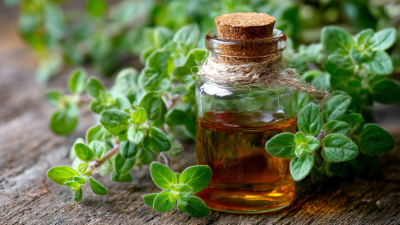
Have you heard about oregano oil and its rising popularity for allergy relief? It’s really catching people's attention as a natural option that might help. This oil contains stuff like carvacrol and thymol—those are known for their anti-inflammatory perks. I came across a report from Herbal Remedies Research, which said that about 30% of folks dealing with allergies found some relief using natural remedies like oregano oil. Pretty interesting, right?
Dr. Emily Thompson, who’s quite the expert in herbal medicine, mentioned that oregano oil can actually be a real game changer for allergy sufferers. It highlights how it’s gaining ground in the alternative health scene. But, a quick heads-up: everyone’s different. How well it works really depends on a few things, like the quality of the oil you use and how much you take.
A lot of people are out there trying to find allergy relief with oregano oil without fully knowing what to look for. The tricky part is making sure you pick a good, high-quality product—because not all oils are the same. My advice? Do some homework or chat with a healthcare professional before jumping in. That way, you can use it safely and get the best shot at managing your allergies effectively.

Understanding Allergies: Causes and Symptoms
Allergies affect millions worldwide, with a significant impact on daily life. According to the American Academy of Allergy, Asthma, and Immunology, about 50 million Americans experience allergies each year. Common allergies include pollen, dust mites, and pet dander. Symptoms typically manifest as sneezing, itching, and skin rashes. Each allergic response can be unique, reflecting the individual’s environment and physiology.
The causes of allergies are diverse. Genetic factors play a crucial role, as allergies often run in families. Environmental factors also contribute significantly. For example, exposure to pollutants may increase the risk of developing allergies. The World Health Organization indicates that air pollution is linked to a rise in respiratory allergies. These statistics underscore the complexity and growing prevalence of allergic conditions.
Awareness of allergy triggers can empower individuals. Keeping track of symptom patterns helps identify specific allergens. This approach encourages proactive management. Yet, many remain unaware of their triggers, leading to increased stress and discomfort. Those who address their allergies can improve their quality of life. Understanding research findings can sometimes feel overwhelming, but it is essential for effective management.


Exploring the Benefits of Premium 100% Pure Lemongrass Essential Oil for Aromatherapy, Stress Relief, and Skin Care
Lemongrass essential oil, derived from the leaves of the lemongrass plant, is renowned for its aromatic properties and health benefits. With a light yellow liquid appearance, this oil is prized in aromatherapy for its ability to promote relaxation and alleviate stress. A study published in the *Journal of Alternative and Complementary Medicine* found that inhalation of lemongrass essential oil can significantly reduce anxiety levels, making it a wonderful addition to any stress relief regimen.
In addition to its calming effects, lemongrass essential oil offers remarkable benefits for skin care. According to the *International Journal of Cosmetic Science*, essential oils like lemongrass possess antimicrobial and anti-inflammatory properties, which can help improve various skin conditions. By incorporating this oil into your skin care routine, you can enjoy its purifying qualities while nurturing your skin. The natural composition of lemongrass oil ensures it is safe for topical use when diluted appropriately, allowing users to harness its rejuvenating effects while minimizing irritation.
Using premium, 100% pure lemongrass essential oil in diffusers, topical applications, or DIY beauty products can elevate both mental and physical well-being. This simple yet potent oil plays a versatile role, making it an essential addition for anyone looking to enhance their self-care practices with natural solutions.

FAQS
: Meditation helps in reducing stress. It can improve focus and emotional well-being. Regular practice brings clarity to thoughts.
Start with just 5-10 minutes. Increase gradually as you get comfortable. Consistency is more important than duration.
Yes, it can shift perspectives. Some may struggle at first, but growth comes with practice. Reflection is key.
There are various techniques. Try mindfulness, concentration, or guided meditation. Experimentation is essential for finding what suits you.
It's normal for thoughts to drift. Gently bring focus back to your breath. Practice patience and accept distractions as part of the process.
Find a quiet spot. Use a comfortable cushion or chair. Add items that inspire peace, like candles or plants. Reflect on what feels calming.
Most people can benefit, but some may find it challenging. It requires patience and practice. Acknowledge your feelings during the process.
Movement-based practices exist. Walking or yoga can be alternatives. Listen to your body and adapt as needed.
Yes, meditation can promote relaxation. Some techniques are specifically designed for better sleep. Explore different methods for effectiveness.
Set small, achievable goals. Track your progress and celebrate success. Understand that it's okay to miss days or feel unmotivated at times.
Conclusion
Oregano oil has gained attention for its potential in providing allergy relief, thanks to its rich historical use and numerous benefits. Allergies, which stem from various environmental factors, can cause a range of symptoms that impact daily life. The unique chemical composition of oregano oil, including its active compounds, exhibits anti-inflammatory and immunomodulatory effects that may help reduce allergic reactions.
Scientific studies have begun to support the efficacy of oregano oil for allergy relief, showcasing its ability to enhance the immune response. However, it is essential to use oregano oil safely, adhering to appropriate guidelines to minimize potential side effects. By understanding both its benefits and considerations, individuals can explore oregano oil as a natural option for alleviating allergy symptoms effectively.
Related Posts
-

How to Use Oregano Oil for Allergy Relief?
-

Why Oregano Oil is Effective for Allergy Relief and How to Use It
-
Challenges Faced When Using Oil Of Oregano Drops for Health Benefits
-

What is Wild Oregano Oil Benefits Uses and How to Use It Effectively
-

How to Effectively Use the Best Clove Oil for Acne: Real-Life Industry Success Stories
-

Discover the Rise of Cinnamon And Olive Oil For Lips at The 137th Canton Fair 2025
