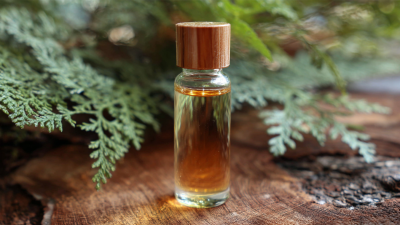
Lemongrass Essential Oil is honestly pretty popular when it comes to aromatherapy. I read somewhere that, according to Grand View Research, the global market for essential oils is projected to hit around $13.94 billion by 2028. That really shows just how much people are loving these oils, especially lemongrass. It’s known for its bright, fresh scent that can really lift your mood and help you relax. If you ask me, it’s like a little boost of sunshine in a bottle.
Using aromatherapy with lemongrass can bring some pretty cool benefits. There’s a study published in the Journal of Essential Oil Research that suggests it might help lower stress and anxiety—pretty awesome, right? Plus, lemongrass has antimicrobial properties, so it’s great to use in your diffuser. That refreshing aroma can really energize your space and give you a bit of a mental pick-me-up.
That said, it’s super important to use it the right way. Diluting the oil properly is a must to avoid any skin irritation. And, honestly, doing a quick allergy test before going all-in is never a bad idea. Some people might find the smell a little too intense or overwhelming, so it’s all about knowing your limits. When you’re adding lemongrass essential oil to your wellness routine, just take it slow and pay attention to how your body reacts—the key is to enjoy it safely.
Lemongrass essential oil is renowned for its uplifting and refreshing aroma. This oil is extracted from the leaves and stems of the lemongrass plant. Rich in citral, it has significant antifungal and antibacterial properties. A study showed that lemongrass oil can inhibit specific bacterial strains, enhancing its use in aromatherapy.
The scent of lemongrass is invigorating. Inhaling this oil may reduce stress and fatigue. Research indicates that aromatherapy with lemongrass oil can improve mood and alleviate anxiety. Participants in a study reported a 27% drop in tension levels after exposure to the aroma. Such evidence emphasizes its potential in wellness practices.
Many people find it challenging to incorporate new oils into their routines. The potency of lemongrass can be overwhelming for some. It's crucial to use it in moderation. Blending it with carrier oils may soften its intensity. Reflecting on personal preferences is vital for achieving the best results with aromatherapy. Adjusting your approach can enhance your overall experience with lemongrass.
Lemongrass essential oil offers a refreshing scent, ideal for aromatherapy. To harness its benefits, understanding how to extract it is key. Common methods include steam distillation and cold pressing. Steam distillation involves passing steam through lemongrass, which captures the aromatic compounds. Cold pressing, however, uses mechanical pressure to release oil. Both methods yield unique properties.
Tips: When using steam distillation, ensure your setup is airtight. This helps retain the oil’s potency. If you’re cold pressing, use fresh lemongrass for the best aroma. Avoid overextraction; too much pressure can lead to bitterness in the oil.
Lemongrass can be tricky. Getting the right extraction balance is essential. Too little heat might not extract enough oil. Conversely, too much can degrade the quality. If you find the scent dull, it might be time to reevaluate your methods. Each batch can vary; be open to adjustments.
Experimentation is part of the process. Keep notes on what works best for you. Sometimes, results may surprise you. Embrace imperfections—they can lead to unique blends. Remember, aromatherapy is as much about feeling as it is about precision.
| Method of Extraction | Description | Aromatherapy Benefits |
|---|---|---|
| Steam Distillation | A method where steam is passed through plant material to vaporize volatile compounds. | Promotes relaxation and reduces stress. |
| Cold Pressing | Extracts oil from the rinds of fruits and plants by mechanically pressing them. | Energizing and uplifting mood. |
| Solvent Extraction | Uses a solvent to dissolve the oils from plant material, then evaporates the solvent. | Improves focus and mental clarity. |
| Maceration | Soaks the plant material in carrier oil to infuse the oil with fragrance. | Enhances mood and relieves anxiety. |
Lemongrass essential oil is gaining popularity for aromatherapy. Its fresh, citrusy scent invigorates the senses. Studies show that lemongrass oil can reduce stress, promote relaxation, and enhance overall wellness. The International Journal of Essential Oil Therapy reports that many users experience improved mood after inhaling the oil.
One effective technique for using lemongrass oil is through diffusion. A few drops in a diffuser can fill the room with its uplifting aroma. Try combining it with lavender oil for a soothing blend. Many find that this combination helps with sleep. Additionally, topical application can be beneficial. Mix lemongrass oil with a carrier oil. Use it on pressure points to relieve tension.
However, individuals may need to adjust their approach. Not everyone finds lemongrass scent appealing. Some may find it overwhelming. Start with a small amount in a personal space. Experiment with different mixtures. Embrace the journey of discovering what works best for you. Aromatherapy is personal; there is no one-size-fits-all. Each person's experience is unique.
Lemongrass essential oil offers numerous health benefits in aromatherapy. Many studies highlight its effectiveness in reducing stress and anxiety. According to a report by the National Institute of Health, aromatherapy with lemongrass can lower cortisol levels, which are linked to stress. The fresh, citrusy scent can instantly uplift your mood. Just a few drops in a diffuser can create a calming atmosphere.
In addition to stress relief, lemongrass essential oil has antibacterial properties. Research indicates that it can inhibit the growth of certain harmful bacteria. A study published in the Journal of Essential Oil Research found that lemongrass oil demonstrated significant antibacterial activity. This makes it a beneficial option for maintaining a healthy environment.
Many people also use lemongrass oil to alleviate headaches. Its soothing aroma can ease tension and promote relaxation. However, results can vary. Not everyone will experience the same benefits. Some individuals might find it too strong, which could lead to discomfort. Exploration is key in discovering what works best for you.
This bar chart illustrates the various health benefits of Lemongrass Essential Oil in aromatherapy, measured by effectiveness on a scale from 1 to 10 based on user feedback.
When using lemongrass essential oil, safety must come first. This oil is potent, and using it improperly can lead to skin irritation or allergic reactions. A report from a leading aromatherapy study highlighted that about 15% of users experienced mild side effects from undiluted essential oils. Thus, always dilute lemongrass oil with a carrier oil before applying it to the skin.
Perform a patch test to ensure no adverse reactions. Apply a small amount on your wrist and wait for at least 24 hours. The oil can cause photosensitivity, which means skin treated with this oil can become more sensitive to sunlight. According to Dermatology journals, essential oils like lemongrass may enhance sunburn risk when used without caution. Recommendations suggest avoiding sun exposure for 12 to 24 hours after application.
Whether diffusing or topical application, be mindful of your surroundings. Keep the oil away from sensitive areas, especially the eyes. Consult a healthcare professional if pregnant, breastfeeding, or taking medications. The safety of using essential oils in these scenarios remains under-researched, warranting caution. While lemongrass essential oil offers numerous benefits, ensuring safe practices is essential for an enjoyable and effective experience.
Creating your own lemongrass aromatherapy blends can be a rewarding experience. Lemongrass essential oil, known for its fresh and citrusy scent, offers various therapeutic benefits. According to the Global Aromatherapy Market Report, the demand for essential oils is growing, with a projected annual growth rate of 8.6% through 2026. This highlights the rising interest in DIY blends for mental and emotional well-being.
When crafting your blend, consider starting with a base of sweet almond or jojoba oil. Use about 15 drops of lemongrass oil for every 30 ml of carrier oil. This balance ensures the potency of lemongrass shines through without overwhelming your senses. You can also experiment by adding lavender or eucalyptus for a soothing twist. But, perhaps your blend might not turn out as expected. The scent can sometimes be too strong or not mixed well enough. It’s essential to test and adjust.
Use a dark glass bottle for storage. This prevents light from degrading the oil. Store it in a cool, dry place. The longer it sits, the more the scents meld. However, if it changes color or smells off, it’s time to rethink your recipe. Creating aromatherapy blends requires patience and practice. Embrace the learning process.
When it comes to storing and maintaining lemongrass essential oil, proper techniques are essential. This oil’s shelf life typically ranges from six months to two years. It's vital to keep the oil in a cool, dark place. Light and heat can degrade its quality. Industry reports suggest that essential oils stored in amber or cobalt bottles maintain potency longer.
Sealing the bottle tightly after each use is crucial. Exposure to air can cause oxidation. This can change the oil’s chemical composition, leading to less effective aromatherapy benefits. If you notice any discoloration or unusual smells, it's best to discard the oil. Remember, not all oils tolerate high humidity. A bathroom cabinet may not be the best choice for storage.
Maintaining lemongrass essential oil requires mindful practices. Clean your dropper or dispenser after each use to avoid contamination. Some experts recommend refrigerating the oil if temperatures often exceed 75°F (24°C). This can extend its shelf life. That said, be cautious—oil can thicken in the fridge. Regularly check for physical changes. It's easier to replace a small bottle than to deal with ineffective oil.
: The two common methods are steam distillation and cold pressing. Each method has unique properties.
Make sure your steam distillation setup is airtight. This will help retain the oil's potency.
Use fresh lemongrass only. Avoid overextraction, as too much pressure may result in a bitter taste.
If the scent is dull, rethink your extraction methods. Adjustments are often needed with each batch.
A few drops in a diffuser can effectively fill a room with its refreshing aroma.
Yes, combining it with lavender oil is popular for a soothing blend, especially to help with sleep.
Keep it in a cool, dark place in an amber or cobalt bottle to maintain its potency longer.
If you see discoloration or unusual smells, discard the oil. It's important to prioritize quality.
Yes, high humidity can degrade the oil. Avoid storing it in a bathroom cabinet for better preservation.
Clean your dispenser after use and consider refrigerating it if temperatures exceed 75°F (24°C).
Lemongrass Essential Oil is a versatile oil known for its refreshing aroma and numerous therapeutic properties. Extracted from the leaves of the lemongrass plant, this essential oil can be utilized through various methods, each contributing to its unique benefits in aromatherapy. Techniques such as diffusion, topical application, and inhalation allow individuals to experience the soothing effects of lemongrass, helping to promote relaxation and mental clarity.
Incorporating Lemongrass Essential Oil into your wellness routine offers several health benefits, including stress relief, improved mood, and alleviation of headaches. However, it's essential to follow safety precautions, such as diluting the oil before applying it to the skin, to avoid adverse reactions. Creating personalized aromatherapy blends can enhance your experience, and proper storage techniques will help maintain the oil's potency and longevity. Overall, Lemongrass Essential Oil is a valuable addition to natural health practices, promoting both physical and emotional well-being.