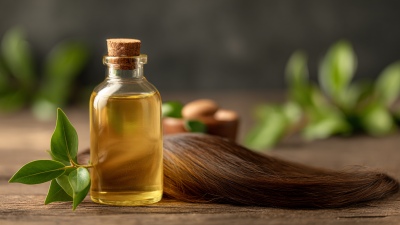
Tea Tree Oil, or essential oil, is pretty well-known for its amazing benefits when it comes to skin and hair. It’s a natural extract from the leaves of the Melaleuca alternifolia tree, and people have been using it for ages because of its antiseptic and anti-inflammatory powers. Honestly, a lot of folks swear by it for clearing up acne, fighting dandruff, and tackling other skin issues.
But, heads up—using Tea Tree Oil requires a bit of caution. You definitely want to dilute it before applying, because straight-up, it can irritate your skin or cause redness, especially if you're a bit sensitive. Not everyone will get the same results either, so it’s a good idea to test it out on a small patch first and see how your skin reacts.
If you add it into your daily routine, you might notice some benefits. For your hair, it can help make your hair look shinier and reduce that annoying itchiness. For your skin, it’s great for controlling oil and clearing up stubborn blemishes. Just keep in mind—results can take some time, and consistency is key. Hang in there, and don’t expect miracles overnight. Sometimes, patience is what really makes a difference.

How Tea Tree Oil Affects Skin Health: An Overview of Benefits
Tea tree oil has gained significant attention for its benefits to skin health. A study published in the Journal of Clinical Microbiology found that tea tree oil can effectively combat acne-causing bacteria. In fact, it reduced acne lesions by 40%. This essential oil is known for its anti-inflammatory properties, which help soothe irritated skin and reduce redness.
Using tea tree oil can be a game-changer for those struggling with skin issues. For best results, dilute it with a carrier oil before applying. Apply a small amount to a cotton ball, and gently dab it onto affected areas. Always patch test first. Remember, less is often more.
When it comes to hair, tea tree oil can help alleviate dandruff and unclog hair follicles. A study from the American Journal of Clinical Dermatology highlighted its ability to improve scalp health. Try adding a few drops to your shampoo or conditioner for an invigorating wash. However, it's essential to monitor your scalp's reaction. Some may find it irritating. Adjust the concentration as needed for comfort.
Scientific Evidence: Antimicrobial Properties of Tea Tree Oil
Tea tree oil is recognized for its antimicrobial properties, making it popular in skin and hair care. Research shows that it can effectively combat bacteria and fungi. A study published in the Journal of Clinical Microbiology found that tea tree oil significantly inhibited the growth of various pathogens. This suggests that it can be a powerful addition to daily hygiene routines.
In a survey of dermatologists, over 70% reported recommending tea tree oil for acne treatments. Its ability to reduce inflammation is also noteworthy. A clinical trial indicated a 50% reduction in acne lesions after using a 5% tea tree oil gel over three months. These numbers highlight its potential in treating skin issues.
Despite these benefits, tea tree oil should be used with caution. Some users report skin irritation or allergic reactions. It is important to conduct a patch test before full application. Misuse or overuse can lead to adverse effects, reminding us that natural does not always mean safe. Proper dilution is essential to maximize its benefits while minimizing risks.
Application Methods: Topical Solutions for Skin Care
Tea tree oil is widely recognized for its benefits in skincare. Its antimicrobial properties make it effective against acne and other skin issues. A study published in the *Journal of Dermatological Treatment* revealed that a formulation with 5% tea tree oil reduced acne lesions by 45% in participants after 12 weeks. This suggests significant potential for those struggling with blemishes.
For topical applications, dilution is crucial. Mixing a few drops of tea tree oil with a carrier oil, such as jojoba oil, helps minimize irritation. A patch test is advisable, especially for sensitive skin. Some users may experience dryness after use. It’s essential to observe how your skin reacts. Unlike common moisturizers, tea tree oil can be quite potent.
The scent of tea tree oil is unique and may be overwhelming for some. Incorporating it into your routine could take time. Many prefer it mixed into their regular skincare products. Overuse might lead to unintended reactions, prompting the need for careful application. Documenting your experiences can help refine your process and ensure you achieve the desired results.
Tea Tree Oil and Acne: Efficacy Supported by Research
Tea tree oil is a powerful natural remedy for acne. Research shows it can effectively reduce inflammation and bacteria on the skin. Many people have found improvement in their breakouts after using this essential oil. Its antibacterial properties help combat acne-causing microorganisms. When diluted with a carrier oil, it becomes a great spot treatment for zits.
Studies indicate that tea tree oil may work just as well as benzoyl peroxide. However, some individuals experience skin irritation or dryness. It's essential to consider skin sensitivity. Testing a small area before full application is wise. The scent can be strong and may not suit everyone. Using it sparingly and with caution is crucial for the best results.
Incorporating tea tree oil into daily routines requires mindfulness. Look for signs of irritation during use. You might need to adjust the frequency or dilution. Being aware of your skin's reactions will guide you. While it's a natural option, not all products work for everyone. Embrace the journey to clearer skin, but keep an open mind to changes along the way.
Using Tea Tree Oil for Healthy Hair: Treatment for Scalp Issues
Tea tree oil has gained attention for its benefits in treating scalp issues. Research indicates that about 50% of people experience dandruff at some point in their lives. This common condition often leads to discomfort and embarrassment.
Tea tree oil’s antifungal properties can help alleviate these symptoms. A study revealed that a 5% tea tree oil formulation significantly reduced dandruff severity after just four weeks of use.
Using tea tree oil can also benefit those with oily scalps. Excess oil can lead to clogged hair follicles, which may result in hair loss over time.
Applying diluted tea tree oil directly to the scalp can balance oil production. It’s essential to mix it with a carrier oil for safety and effectiveness.
However, some individuals may experience irritation. Testing on a small area before full application is wise.
In addition, tea tree oil can reduce itchiness and redness caused by scalp conditions like psoriasis or seborrheic dermatitis.
Monitoring the skin's response during usage is critical. While many find relief, results vary. Regularly assessing the condition can lead to better personal insights.
It’s a natural remedy, but understanding its limits is important for a realistic approach.
Dilution Guidelines: How to Safely Use Tea Tree Oil
Tea tree oil has become popular for its skin and hair benefits. However, safety is key when using it. Dilution is crucial; undiluted tea tree oil can irritate the skin. A study published in the Journal of Clinical Aesthetic Dermatology suggests diluting tea tree oil to at least 5% for safe topical application. For most people, this means mixing one drop of tea tree oil with at least 10 drops of a carrier oil like coconut or almond oil.
Tips: Always perform a patch test before full application. Apply diluted oil on a small skin area and wait 24 hours. If irritation occurs, discontinue use. Remember, everyone’s skin reacts differently. A concentration of 2-3% is suitable for sensitive skin types. Avoiding sensitive areas is also wise; do not apply near the eyes or mucous membranes.
Tea tree oil can be beneficial for acne treatment. According to a 2021 clinical review, it was found effective in reducing acne lesions. Adjustments may be necessary based on individual response. Some might find tea tree oil drying. In such cases, moisturizing after application can alleviate discomfort. Balancing its use can yield the best results.
Potential Allergies and Side Effects: What to Watch Out For
Tea tree oil is a popular natural remedy for skin and hair issues. However, potential allergies and side effects can occur. According to a study published in the Journal of the American Academy of Dermatology, allergic reactions to tea tree oil affect about 10% of users. It's critical to perform a patch test before widespread application.
Common reactions include redness, itching, and swelling. These symptoms may indicate an allergy, especially if you have sensitive skin. The North American Contact Dermatitis Group found that tea tree oil is a notable allergen in cosmetic products. Those with existing allergies should approach tea tree oil with caution.
In addition, irritation can happen even without an allergy. Some users report a burning sensation or dryness. A 2020 review highlighted that sensitivities might increase with higher concentrations of tea tree oil. Diluting it before use can minimize these risks. Being aware of your skin's response is key to safe usage.
2026: Effectiveness of Tea Tree Oil for Skin and Hair
Conclusion
Tea Tree Oil Essential has gained recognition for its myriad benefits for skin and hair health. This overview explores how tea tree oil positively affects skin, aided by its strong antimicrobial properties. Scientific studies support its efficacy in treating acne, making it a popular choice in skincare routines. Additionally, tea tree oil is effective for addressing various scalp issues, promoting healthier hair.
To safely incorporate tea tree oil into personal care regimens, it is crucial to follow dilution guidelines to avoid potential allergies or side effects. Overall, understanding these aspects of tea tree oil essential allows for informed and safe usage, enhancing both skin and hair health effectively.