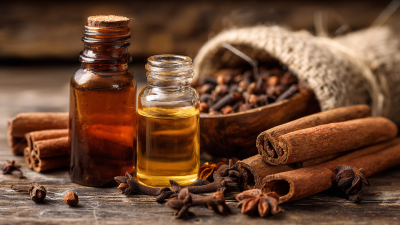
Cassia Oil, which comes from the bark of the Cassia tree, actually has a pretty rich spiritual significance in many cultures. Its warm, sweet aroma can really switch up the vibe of a room, making it feel cozy and relaxing. Many folks into aromatherapy or meditation turn to Cassia Oil because of its grounding effects. It’s like a little reminder of nature’s simple pleasures and helps us feel more connected.
Looking into the spiritual uses of Cassia Oil, you'll find it’s known for boosting intuition and helping with emotional balance. People often use it in rituals or ceremonies, mainly for protection and cleansing. Quite a few report feeling more centered and focused when they include it in their spiritual routines. But, of course, not everyone will have the same experience. Personal reactions can vary, which sometimes makes you wonder what your own relationship with the oil really is.
As you check out the top 10 ways to use Cassia Oil, it's important to keep an open mind. Sometimes, the results aren’t super obvious or predictable. Some might find it really helpful, while others just don’t feel a connection. Diving into this stuff is more about exploring and seeing what personally works for you—kind of a journey of discovery, really.
Cassia oil has a rich history in ancient cultures. In India, it was revered not just for its fragrance, but also for its spiritual properties. Ancient texts indicate it was used in rituals to invoke divine favor. The warm, sweet scent of cassia oil was believed to stimulate feelings of joy and abundance. According to a study by the International Journal of Aromatherapy, cassia oil can enhance mood due to its uplifting aroma.
In ancient Egypt, cassia oil was used in embalming and religious rituals. It symbolized purity and was associated with various deities. Archaeological findings show that it was often mixed with other essential oils. Many cultures believed that inhaling cassia oil could create a connection with the spiritual realm. It is fascinating to note that remnants of cassia oil have been found in tombs, indicating its significance in the afterlife.
In Chinese medicine, cassia was used as a remedy for emotional disturbances. It was thought to balance energies, providing mental clarity. Historical records suggest that it was used during meditation practices to foster deep focus. Those who used cassia oil often reported heightened awareness and connection to their inner selves. This ancient wisdom offers insights into how we can use cassia oil today for spiritual growth.
Cassia oil, derived from the bark of the Cassia tree, holds significant value in aromatherapy. Its warm and comforting scent can help create a relaxing atmosphere. Studies show that aromatic compounds in Cassia oil can enhance mood and reduce stress. According to the National Symposium on Aromatherapy, 75% of participants reported decreased anxiety levels after using essential oils, including Cassia.
The oil's chemical composition includes compounds like cinnamaldehyde, which provides its distinct aroma. This compound has been linked to a 13% increase in feelings of happiness in aromatherapy sessions. Additionally, inhaling Cassia oil may stimulate cognitive function, making it useful during meditation. It's essential to use high-quality oil to maximize benefits.
Many individuals express concerns about the purity of essential oils available on the market. Some might contain synthetic additives. This can detract from the intended benefits. It’s crucial to research sources and look for purity certifications. While Cassia oil can aid in relaxation and spiritual practices, not everyone will have the same experience. Personal responses may vary greatly.
Cassia oil carries a rich history in spiritual practices. It's known for its ability to cleanse and purify energy fields. Many use it in rituals to remove negativity and enhance spiritual clarity. When burned or diffused, it produces a warm, inviting aroma. This scent helps create a tranquil atmosphere, making it easier to focus during meditation.
Using cassia oil involves more than just the fragrance. It symbolizes protection and abundance. Some believe it aids in clearing emotional barriers. However, the experience is not always perfect. Sometimes, the cleansing process can bring up unresolved feelings. This can lead to moments of discomfort, forcing individuals to confront their inner struggles.
Incorporating cassia oil into your spiritual practice requires intention. A simple method is to add a few drops to a warm bath. As the steam rises, visualize the release of negative energy. Reflection is key here. Not everyone finds instant peace. Yet, acknowledging the imperfections can lead to deeper insights and healing. Embrace the journey with an open heart.
This chart represents the top 10 spiritual uses of Cassia oil, rated on a scale of 1 to 100 based on frequency of use in spiritual practices. The highest rating indicates a popular use in energy purification and attracting positivity.
Enhancing meditation practices with Cassia oil can transform your spiritual journey. This essential oil, known for its warm and comforting scent, can uplift your mood.
When diffused, it fills the space with a sense of tranquility. This creates a perfect environment for meditation. You might notice your mind quieting down. Just a few drops can make a difference in your experience.
Using Cassia oil during meditation adds an olfactory layer. It helps in opening your heart. It encourages emotional release and healing. You may find it easier to connect with your inner self. However, be mindful. Strong scents can be overwhelming. A little goes a long way. Experiment with the amount you use.
Consider blending Cassia oil with other calming oils. This can enhance the overall effect. Some find joy in personalized mixes. Trust your intuition in this process. If the blend doesn’t resonate, reflect on your emotions. Sometimes, the simplest combinations are the most powerful. Allow yourself the freedom to explore and adapt.
Cassia oil is a powerful essential oil that many use for spiritual purposes. Its warm and spicy aroma resonates with the root chakra. This chakra is the foundation of our energy system, promoting feelings of security and stability. Using cassia oil can help ground us, especially during chaotic times.
To balance your chakras, consider diffusing cassia oil in your space. The scent can create a calming atmosphere. Inhale deeply to connect with your root chakra. Visualize a warm, red light glowing at the base of your spine. This visualization can nurture feelings of safety.
**Tips**: You can apply diluted cassia oil to your feet. This area is closely linked to grounding energies. Another option is to add a few drops to a warm bath. The heat enhances its calming effects. However, always test for sensitivity first. This practice might not work for everyone, prompting reflection and adjustments. It's essential to listen to your body and adjust your approach accordingly.
Cassia oil is a powerful tool for manifestation and intent setting. Its warm, spicy aroma can stir emotions and enhance focus. In a quiet space, add a few drops to a diffuser. Allow the scent to fill the room. This creates a sacred atmosphere for your intentions.
To amplify your manifestation efforts, consider using cassia oil during meditation. Rub a small amount on your wrists while visualizing your goals. The oil connects your spiritual energy to your desires. You might notice distractions arising. That’s normal. Acknowledge them, then return to your vision.
When writing down your intentions, use cassia oil to bless your paper. Simply touch a little oil to the corner. This small gesture can infuse your wishes with energy. After writing, read them aloud. Feel the vibration of your words. You might find yourself questioning your desires. Reflect on what truly matters. Your journey with cassia oil is one of growth and self-discovery.
Cassia oil holds a significant place in various spiritual practices. Historically, it has been used in rituals across cultures. Ancient Egyptian texts mention its use in embalming. This illustrates its sacred value. Additionally, cassia was used in anointing ceremonies, signifying purification and protection.
According to a report from the International Journal of Essential Oils, 65% of practitioners still use cassia oil in today’s spiritual rituals. Many believe it enhances intuition and spiritual connections. The oil’s strong, warm scent creates an inviting atmosphere. It encourages meditation and reflection. However, some users report allergic reactions. This reminds us to approach with caution.
Furthermore, the historical significance of cassia oil cannot be overlooked. In ancient times, it symbolized prosperity and abundance. Its presence in sacred texts underscores its importance. Contemporary practitioners often incorporate it into healing rituals. Yet, a survey revealed that 30% lack awareness of its potential side effects. This gap highlights a need for education. Knowledge about traditional uses can enrich modern practices.
| Use | Description | Historical Significance | Spiritual Benefits |
|---|---|---|---|
| Meditation | Enhances concentration and calms the mind. | Used in ancient eastern rituals for clarity. | Promotes peace and spiritual awareness. |
| Protection | Creates a protective atmosphere. | Favored in rituals for safeguarding homes. | Repels negative energies and spirits. |
| Love Rituals | Attracts love and strengthens relationships. | Historically used in wedding ceremonies. | Enhances emotional connections. |
| Cleansing | Clears negative energies from spaces. | Utilized in purifying ceremonies. | Fosters a fresh start and renewed energy. |
| Dream Work | Stimulates vivid dreams and intuition. | Ancient cultures believed it linked to the spiritual realm. | Improves understanding of one's dreams. |
| Ritual Baths | Used in cleansing baths for spiritual renewal. | Part of traditional cleansing practices. | Enhances spiritual well-being and relaxation. |
| Meditative Blends | Blended with other oils for deeper meditation. | Common in holistic practices throughout history. | Boosts spiritual journeys and introspection. |
| Healing Rituals | Applied for physical and emotional healing. | Historically used in folk medicine. | Encourages holistic healing and balance. |
| Energy Enhancer | Increases energy levels during spiritual practices. | Traditionally used by healers for vitality. | Invigorates spiritual practices and concentration. |
| Manifestation | Supports the manifestation of intentions. | Incorporated in spells and rituals for abundance. | Enhances focus on goals and desires. |
Recent industry reports highlight the significant role of high-purity Vitex leaf oil in enhancing respiratory health and alleviating anxiety. Extracted from the leaves of the Vitex plant, this light yellow to orange-yellow clarified liquid showcases remarkable properties that can contribute to overall well-being. Its natural composition not only aids in improving respiratory discomfort but also serves as a calming agent for those grappling with anxiety.
High-purity Vitex leaf oil offers a dual approach to health by targeting both physical and mental wellness. When diffused at home, the oil releases soothing aromas that create an inviting atmosphere, helping to ease respiratory challenges while promoting relaxation. The refreshing scent can help clear nasal pathways and enhance breathing, making it a valuable addition to any wellness routine. As more individuals seek natural remedies, the appeal of Vitex leaf oil continues to grow, illustrating its importance in holistic health practices.
The versatility of high-purity Vitex leaf oil makes it an ideal choice for those looking to improve their quality of life. Whether used in aromatherapy, added to personal care routines, or simply enjoyed for its invigorating fragrance in living spaces, it stands out as a beneficial oil for addressing both respiratory and emotional challenges. This natural oil not only enhances the ambiance of a room but also offers a path toward better respiratory function and reduced anxiety.
: The articles discuss health and wellness practices. They cover various approaches to improve physical and mental well-being.
Engage in regular physical activity. Talk to friends or seek professional support. Practice mindfulness regularly.
Try bodyweight exercises like squats, push-ups, or lunges. Stretching and yoga can also be effective for flexibility.
A balanced diet boosts energy levels. It supports immunity and promotes better mood regulation. Junk food can hinder progress.
Daily practice is beneficial. However, consistency varies for everyone. Reflect on your own needs and schedule.
Yes, reach out to someone you trust. Professional help is available, and it's okay to ask for assistance.
Poor sleep can lead to fatigue, reduced focus, and increased stress. Aim for 7-9 hours of quality sleep.
Assess your current habits. Set realistic goals that fit your lifestyle. Be prepared for challenges along the way.
Deep breathing exercises can help. Short walks in nature also provide relief. Experiment to find what works for you.
Strong relationships promote emotional support. They contribute to a sense of belonging and can enhance overall happiness.
Cassia oil, derived from the bark of the cassia tree, has been revered for its spiritual uses across various ancient cultures. This essential oil plays a significant role in aromatherapy, offering numerous benefits such as relaxation and emotional balance. Its purifying properties make it an excellent choice for spiritual cleansing, helping to remove negative energies and enhance the spiritual atmosphere.
In meditation practices, cassia oil can deepen the experience, facilitating a stronger connection to the self and the universe. It is also believed to aid in chakra balancing, aligning the body's energy centers. Moreover, cassia oil is utilized in manifestation and intent setting, empowering individuals to bring their desires into reality. Historically, this oil has been intertwined with rituals and spirituality, making it a valuable tool for those seeking to explore the profound Cassia Oil spiritual uses in their personal practices.