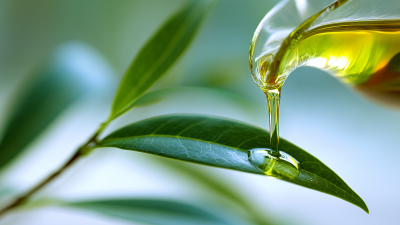
Pure Tea Tree Oil is honestly one of those natural remedies that everyone seems to swear by for skin care. It's been around for hundreds of years, loved for its antibacterial and anti-inflammatory magic. Basically, it’s made from the leaves of that Melaleuca alternifolia tree found down under in Australia. Lots of skincare lovers depend on it to help clear up a bunch of skin issues.
If you've been battling stubborn acne, this stuff can actually be a real game changer. It goes straight for those blemishes and helps them heal up without any of the harsh chemicals. A lot of people notice their skin looking clearer just after a few days of using it regularly. But heads up — it might cause a bit of irritation for some folks, so it's always a smart idea to do a patch test first before applying it all over.
Adding Pure Tea Tree Oil into your routine can do wonders for your skin, making it healthier, more hydrated, and giving you that nice natural glow. And it’s not just good for treating pimples; it can also help soothe tiny cuts and irritations. Just remember, like with anything, it’s all about finding the right balance and knowing your skin. Getting to know what your skin needs will help you get the most out of this pretty powerful oil.

What is Pure Tea Tree Oil and Its Origin?
Pure tea tree oil, derived from the leaves of the Melaleuca alternifolia plant, has garnered attention for its numerous skin benefits. This essential oil originates from Australia, where it has been used by Indigenous Australians for centuries. Research shows that tea tree oil has antibacterial, antifungal, and anti-inflammatory properties, making it a popular choice in skin care formulations. A study published in the Journal of Dermatological Treatment highlighted its effectiveness against acne, with a 5% concentration reducing lesions by 50% over 12 weeks.
However, the purity of tea tree oil is vital. When diluted with carrier oils, the effectiveness may decrease. Buyers should look for products that are 100% pure and well-reviewed by dermatologists. Inadequate product quality can lead to skin irritation, instead of benefits. It’s essential to understand that essential oils can be potent; therefore, proper usage is crucial.
Tip: Test tea tree oil on a small skin patch before widespread use. This helps assess sensitivity.
Some people report skin irritation even from diluted tea tree oil. Adjusting the concentration can be a practical solution for sensitive skin. Always consult a health professional if unsure. When incorporating tea tree oil, consistency is key to achieving visible results without adverse effects. Choose formulations wisely for a beneficial experience.
Key Properties of Tea Tree Oil for Skin Care
Tea tree oil has garnered attention for its impressive properties in skin care. Extracted from the leaves of the Melaleuca alternifolia tree, it is renowned for its antiseptic and anti-inflammatory qualities. This essential oil can help tackle blemishes and soothe irritations. It works by reducing redness and healing minor wounds, making it a popular choice for acne-prone skin. Many users report noticeable improvements in their skin texture after regular use.
Another key property is its ability to balance oil production. This makes it beneficial for both oily and dry skin. The oil’s natural astringent qualities help tighten pores and control excessive sebum. Users often find that it refreshes their complexion. In addition, tea tree oil contains antioxidants, which help fight free radicals. This aspect encourages a healthier, more vibrant appearance. However, it's crucial to conduct patch tests before widespread application. Some may experience irritation, reflecting the necessity for caution.
Top Skin Conditions Treated by Tea Tree Oil
Tea tree oil is renowned for its numerous skin benefits, particularly in treating common skin conditions. Its antibacterial and anti-inflammatory properties make it effective for acne management. Many people find relief from breakouts and clogged pores with regular use. Using diluted tea tree oil on affected areas can lead to a clearer complexion over time.
In addition to acne, tea tree oil is beneficial for eczema. This condition can cause itchy and inflamed skin. Applying tea tree oil may soothe irritation, offering a natural alternative for some individuals. It's important to note that sensitivity varies from person to person. Patch testing is crucial to ensure there are no adverse reactions.
Many also use tea tree oil for dandruff. Its antifungal properties help combat the underlying causes of flakiness. However, some people experience scalp irritation. A diluted formula could help minimize this risk. While tea tree oil offers many benefits, it's vital to be mindful of how your skin responds. Adjusting application methods might be necessary to achieve optimal results.
Benefits of Tea Tree Oil for Oily and Acne-Prone Skin
Tea tree oil is renowned for its benefits, particularly for oily and acne-prone skin. Rich in antimicrobial properties, it helps fight bacteria that cause acne. Studies show that tea tree oil can reduce acne lesions by up to 40% when applied regularly. This statistic highlights its effectiveness compared to traditional treatments like benzoyl peroxide, which can be harsh on sensitive skin.
Beyond acne treatment, tea tree oil helps in controlling excess oil production. A study published in the Journal of Clinical and Aesthetic Dermatology points out that using tea tree oil can balance skin's oil levels. This balance is crucial for those with oily skin types, preventing further breakouts. Many find tea tree oil soothing without the irritation commonly associated with other products.
However, it's important to use tea tree oil cautiously. Some individuals may experience skin irritation or allergic reactions. A patch test is recommended for new users. Understanding your skin's response to products is key to achieving desired results. Tea tree oil, while potent, requires mindful application to ensure the best experience.
How to Use Tea Tree Oil Safely on Your Skin
Tea tree oil offers numerous benefits for skin care, but it’s essential to use it properly. When applying tea tree oil, always dilute it with a carrier oil. Mixing a few drops of tea tree oil with coconut or jojoba oil prevents potential skin irritation. This step is crucial, especially for sensitive skin.
Before using tea tree oil on your face, perform a patch test. Apply a diluted form on a small area of your skin. Wait for 24 hours to check for any negative reactions. If redness or itching occurs, you might need to reconsider its use. Even if tea tree oil is known for its antibacterial properties, not every skin type will respond positively.
Use tea tree oil sparingly. A drop or two is usually enough. You can apply it directly on blemishes with a cotton swab. Regular use may improve your skin texture, but overapplying can lead to dryness. Be mindful of your skin's response and adjust accordingly. Remember, skin care is a personal journey, and what works for one may not work for another.
Tea Tree Oil in Combination with Other Skincare Ingredients
Tea tree oil is a versatile ingredient in skincare. It blends well with various other components. For instance, combining tea tree oil with aloe vera enhances hydration while maintaining its antibacterial properties. A study published in the *Journal of Dermatology* reported that this combination significantly reduces acne breakouts. Patients noted a 50% improvement after four weeks.
When mixed with jojoba oil, tea tree oil can help balance oil production. Jojoba closely resembles human sebum, which prevents over-drying the skin. Research from the *International Journal of Cosmetic Science* found that this blend not only cleared impurities but also left skin feeling soft. Many users have remarked on the noticeable reduction in redness and inflammation.
However, it is essential to use tea tree oil with caution. Some individuals experience irritation. A patch test is advisable before full application. Understanding the skin's response to these combinations is crucial for effective skincare. Adapting the use of tea tree oil based on individual skin types can enhance its benefits.
Top 10 Benefits of Pure Tea Tree Oil for Your Skin Care
| Benefit |
Description |
Recommended Combination |
| Antimicrobial Properties |
Effective against various bacteria and fungi, promoting clearer skin. |
Mix with Jojoba Oil for a moisturizing treatment. |
| Reduces Inflammation |
Helps soothe redness and swelling, ideal for acne-prone skin. |
Combine with Aloe Vera Gel for a calming effect. |
| Helps Control Oily Skin |
Balances oil production, preventing clogged pores. |
Use with Witch Hazel for astringent properties. |
| Promotes Healing |
Speeds up wound healing and reduces scarring. |
Blend with Coconut Oil for enhanced moisture. |
| Treats Acne |
Targets acne troubles with its antibacterial properties. |
Combine with Salicylic Acid for deeper penetration. |
| Fights Dandruff |
Reduces flakiness and itchiness on the scalp. |
Mix with a carrier oil for scalp treatments. |
| Natural Deodorant |
Neutralizes odor-causing bacteria. |
Use with Baking Soda for enhanced effect. |
| Soothes Insect Bites |
Reduces itching and irritation from bites. |
Combine with Lavender Oil for a soothing balm. |
| Balances Skin Tone |
Helps diminish the appearance of dark spots. |
Mix with Vitamin C for added brightening. |
| Refreshes Skin |
Gives a fresh, revitalized look and feel. |
Combine with Peppermint Oil for an invigorating lift. |
Precautions and Potential Side Effects of Tea Tree Oil Use
Tea tree oil is known for its benefits, but precautions are essential. Its potency can cause irritation for some users. Always conduct a patch test before applying it to your skin. This simple step can help avoid unwanted reactions.
Consider diluting tea tree oil with a carrier oil. Mixing it with almond or coconut oil can reduce its strength. This makes it safer for sensitive skin types. Begin with a small amount on a less sensitive area. Observe your skin's reaction over 24 hours.
Some individuals may experience dryness or redness. If this occurs, discontinue use immediately. Remember, everyone's skin is different. Understanding your skin type is vital. Regularly monitor your skin's response to new products. This will help you navigate your skincare journey more effectively.
FAQS
: Tea tree oil is known for its antiseptic and anti-inflammatory qualities. It helps heal blemishes and soothe skin irritations.
Regular use may improve skin texture. Users often report a smoother complexion with reduced redness and irritation.
Tea tree oil can benefit both oily and dry skin. However, individual reactions may vary, so caution is essential.
Always dilute tea tree oil with a carrier oil. Mixing it with coconut or jojoba oil helps avoid skin irritation.
Conduct a patch test on a small skin area. Wait 24 hours to check for reactions like redness or itching.
Use a drop or two. Applying too much can lead to dryness. Less is often more in skincare routines.
Some users may experience irritation. If you notice negative reactions, consider reducing usage or discontinuing altogether.
Every person's skin is unique. Monitor your skin's response to find what works best for you.
Yes, tea tree oil is popular for acne treatment due to its antibacterial properties. Results can vary between users.
It helps balance oil production and tighten pores. However, personal experiences may differ, so stay attentive to your skin's needs.
Conclusion
Pure Tea Tree Oil is a potent essential oil derived from the leaves of the Melaleuca alternifolia tree, native to Australia. It is renowned for its natural antiseptic and anti-inflammatory properties, making it a valuable ingredient in skincare. This oil effectively addresses various skin conditions, including acne, oily skin, and fungal infections, due to its ability to combat bacteria and reduce inflammation.
When using Pure Tea Tree Oil, safety is paramount; it should be diluted appropriately and combined with other skincare ingredients to enhance its benefits. However, users should be mindful of potential skin sensitivities and allergic reactions. Overall, the benefits of Pure Tea Tree Oil make it a popular choice for those seeking natural solutions to improve skin health and tackle challenges associated with acne-prone and oily skin.